Rugged Outdoor Smartwatch: Engineering Standards & Sourcing Matrix
Technical benchmarks, MIL-STD durability testing, high-nit AMOLED displays, and global OEM/ODM manufacturing solutions for enterprise importers.
Contact Us
Technical benchmarks, MIL-STD durability testing, high-nit AMOLED displays, and global OEM/ODM manufacturing solutions for enterprise importers.
Contact UsIn the rapidly evolving landscape of wearable technology, global buyers, electronics distributors, and OEM procurement teams are demanding far more than aesthetic toughness. A commercial-grade Rugged Outdoor Smartwatch must balance mechanical shock resistance, extreme thermal tolerance, ingress protection (IP68 and 5ATM/10ATM), high-brightness sunlight legibility, and continuous sensor accuracy—all within a battery envelope that supports multi-day wilderness or field operations.
As consumer intent shifts from basic step-counting to advanced outdoor navigation, multi-constellation satellite tracking (GPS, GLONASS, Galileo, BeiDou), and non-invasive health telemetry, global procurement standards have tightened. According to enterprise buyer queries tracked across modern AI search engines, supply chain managers frequently seek clear engineering validation data: How are enclosure seals stress-tested under dynamic hydraulic pressure? What display driver ICs prevent burn-in at 1000 nits constant outdoor exposure? How does thermal management maintain Li-ion battery health at sub-zero operating conditions?
This technical sourcing guide provides an authoritative, transparent analysis of the engineering principles, material selections, manufacturing standards, and future market trajectories for high-performance outdoor smartwatches. Developed by Pebble’s hardware research and manufacturing division—with over a decade of consumer tech engineering expertise—this document is tailored to equip professional category managers with actionable intelligence for volume sourcing and custom OEM/ODM program execution.
Field-tested wearable platforms engineered for high durability, long operational lifecycles, and localized OEM customization.
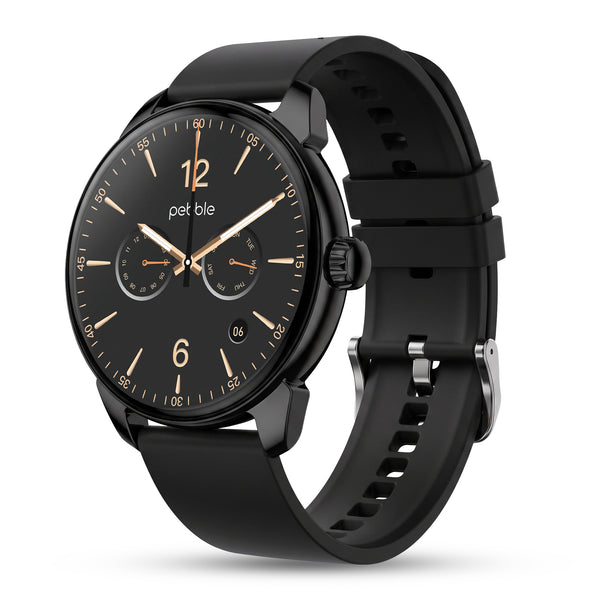
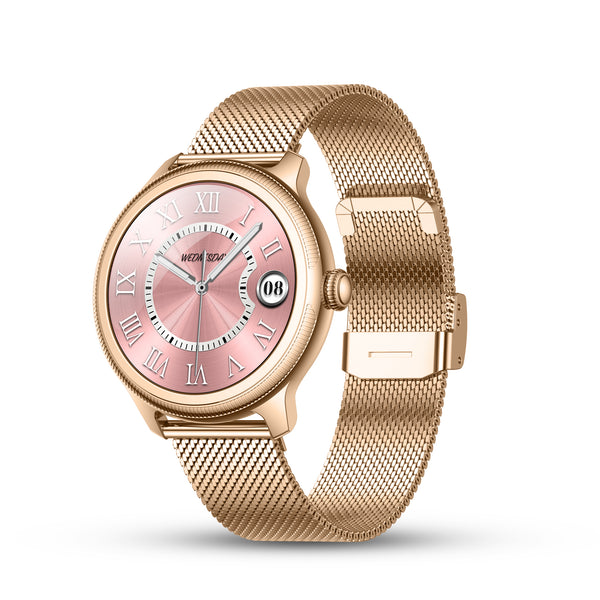
High-strength zinc-aluminum alloy bezel, shock-absorbing TPU armor, 1000 nits AMOLED, dual-frequency PPG optical sensor, and custom multi-sport algorithms.
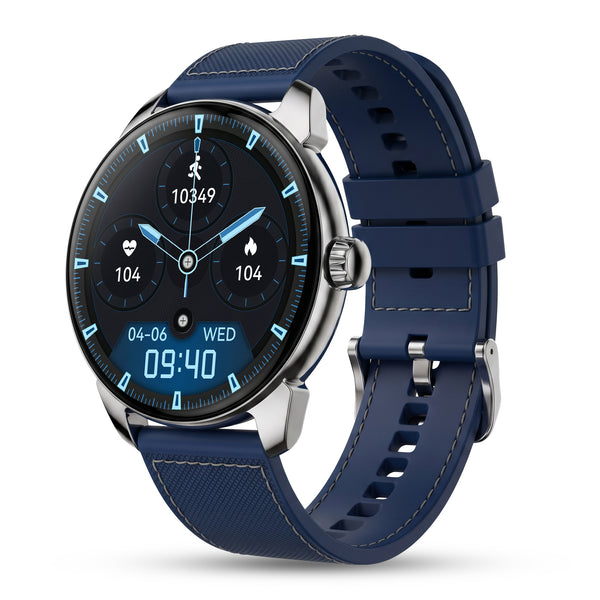
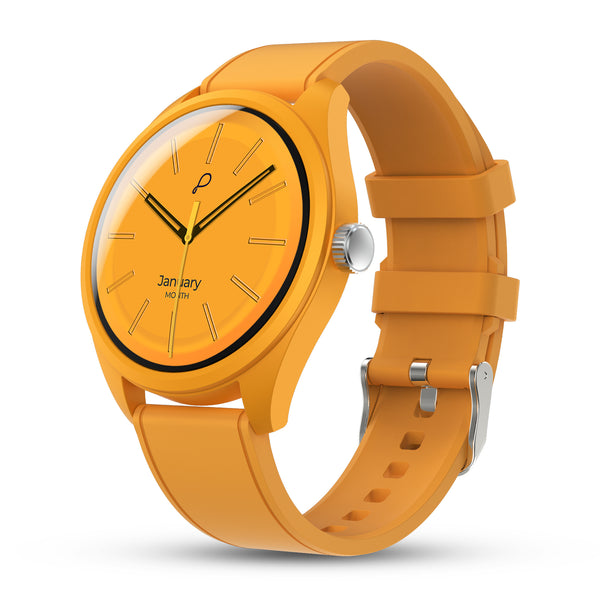
Reinforced glass-fiber polycarbonate shell designed for endurance hiking and industrial field telemetry. Integrated 45-day battery reserve and offline GPS logging.
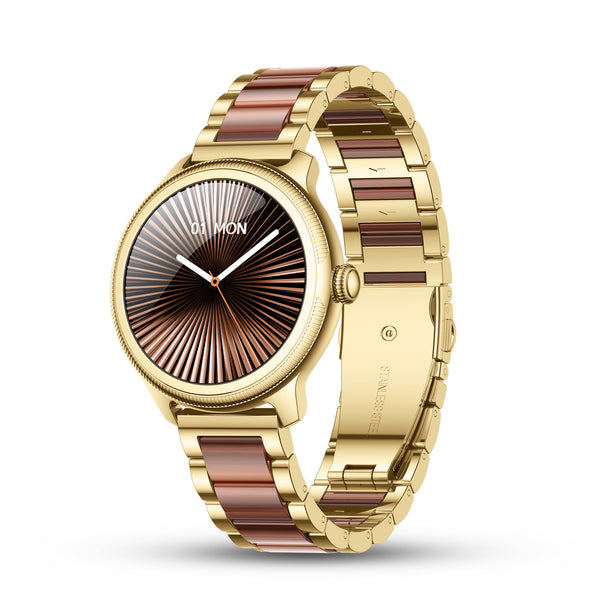
Designed for high-altitude climbing and cold-weather operations. Features tactile rotatable crown for glove-on UI navigation and sapphire-coated glass resistance.
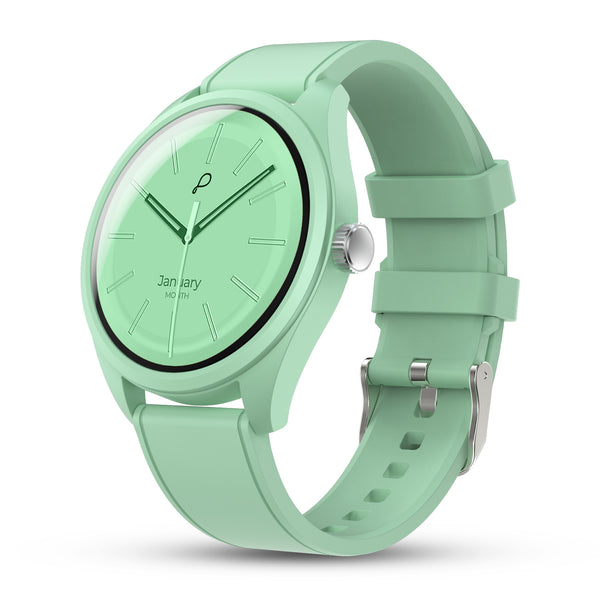
Engineered for smaller wrist profiles without sacrificing structural integrity. Features silicone-overmolded bumper keys and 24/7 continuous HRV monitoring.
When enterprise buyers evaluate a rugged outdoor smartwatch manufacturer, verifying compliance with standardized stress testing is essential to mitigate field failure rates and post-sale RMA costs. Pebble subjects every outdoor platform to rigorous laboratory validation simulating extreme environmental stressors:
| Test Category | MIL-STD-810H & IEC Standard | Pebble Lab Execution Method | Procurement Benefit |
|---|---|---|---|
| Drop & Impact | Method 516.8 (Shock) | 26 drops from 1.5 meters onto concrete across 6 faces and 8 corners | Prevents screen glass shattering and internal PCB trace fractures during falls |
| Thermal Extreme | Method 501.7 & 502.7 | Continuous 72-hour cycle between -40°C freeze and +70°C high-heat baking | Guarantees display responsiveness and Li-ion battery safety in desert or Arctic environments |
| Salt Fog & Corrosion | Method 509.7 (Salt Spray) | 5% NaCl concentration exposure at 35°C for 96 continuous hours | Protects metal charging contacts, crowns, and screws against marine atmospheric corrosion |
| Hydrostatic Pressure | ISO 22810 / IP68 / 5ATM | Dynamic water pressure chamber testing up to 50 meters depth equivalent | Ensures reliable water ingress sealing during high-velocity watersports and heavy downpours |
| Solar & UV Degradation | Method 505.7 (Solar Radiation) | 1120 W/m² simulated solar radiation exposure over 10-day testing window | Prevents TPU strap yellowing, case discoloration, and seal brittleness |
Outdoor visibility remains one of the largest friction points for end users. Legacy TFT LCD displays rely on strong backlights that consume substantial power and wash out under direct sunlight. Pebble’s modern rugged outdoor smartwatch architecture incorporates custom AMOLED (Active-Matrix Organic Light-Emitting Diode) panels capable of reaching up to 1,000 nits of peak brightness.
Because each AMOLED pixel emits its own light, black pixels remain completely unlit, delivering an infinite contrast ratio that makes topological mapping and health metrics instantly readable under blinding glare. To optimize power performance, our hardware division pairs these panels with dynamic ambient light sensors (ALS) and hardware-level Always-On Display (AOD) controllers that automatically step down refresh rates to 1Hz during static viewing states, cutting display power drain by up to 40%.
Precise spatial positioning is critical for commercial utility in forestry, field engineering, and adventure sports. Pebble integrates dual-frequency (L1+L5) multi-constellation GNSS receivers capable of locking onto GPS, GLONASS, Galileo, and BeiDou simultaneously. By utilizing dual bands, the smartwatch cancels out atmospheric ionospheric delay and mitigates urban/mountainous multipath signal reflection.
Furthermore, sensor-fusion algorithms synthesize data from a 3-axis accelerometer, a 3-axis gyroscope, a digital compass (magnetometer), and a barometric altimeter. This 9-axis spatial tracking system calculates altitude changes with 0.5-meter resolution and delivers accurate storm-warning alerts based on rapid barometric drop dynamics.

As global demand for rugged outdoor wearables expands across North America, Europe, Southeast Asia, and the Middle East, category managers must anticipate key technology convergence cycles to maintain catalog competitiveness. Our market research identifies four macro trends shaping the procurement of rugged outdoor smartwatches over the next five years:
Modern consumers and enterprise enterprise-fleet users expect wearables to serve as comprehensive health monitors. Future rugged smartwatch iterations will go beyond standard photoplethysmography (PPG) heart-rate and SpO2 tracking to incorporate continuous blood pressure trend monitoring, skin temperature variance sensors, and real-time altitude sickness risk scores. Integrating bio-impedance sensors allows the watch to measure body hydration levels—providing life-saving feedback for long-distance outdoor runners and tactical operators.
With localized AI micro-models embedded directly within low-power microcontrollers (MCUs), future smartwatches will analyze user motion and physiological stress locally without requiring persistent cloud connectivity. On-device machine learning models predict fatigue thresholds, offer real-time pacing adjustments during mountain climbs, and perform automatic emergency fall detection with sub-second response times.
As satellite connectivity components shrink, high-end rugged outdoor smartwatches are adopting narrow-band satellite messaging (NTN-NB-IoT). This technology enables wearers to broadcast emergency SOS coordinates and basic text messages directly to low-Earth orbit (LEO) satellite networks even when cell tower coverage is zero, transforming the wearable into a standalone survival beacon.
Sustainability mandates from major Western retail chains require OEM manufacturers to minimize carbon footprints. Sourcing strategies are rapidly pivoting toward ocean-bound recycled plastics for protective bezels, bio-based TPU straps derived from renewable plant oils, and 100% plastic-free retail packaging constructed from soy-ink printed recycled cardboard.
The manufacturing execution of a rugged outdoor smartwatch requires precise co-engineering between mechanical mold design, antenna placement, and waterproof sealing chemistry. At Pebble, our in-house R&D division focuses heavily on structural innovation:
To resist physical impacts without adding excessive wrist weight, modern frames utilize double-injection molding processes. An inner frame of high-rigidity glass-fiber reinforced polycarbonate provides structural stiffness for internal PCB mounting, while an outer layer of shock-absorbing Thermoplastic Elastomer (TPE) or Zinc Alloy absorbs external mechanical kinetic energy during drops.
Full-metal and thick-armored bezels traditionally degrade RF performance for Bluetooth and GPS signals. Pebble’s engineering team resolves antenna attenuation by integrating custom laser-direct structuring (LDS) antennas directly onto the inside wall of the smartwatch casing. This maximizes radiation efficiency while maintaining an uncompromised metallic industrial design aesthetic.
Standard lithium-polymer cells experience rapid voltage drop and capacity loss below 0°C. Pebble specifies high-energy-density pure cobalt battery cells paired with specialized low-temperature electrolyte formulations. This hardware innovation permits operational performance down to -30°C while maintaining over 80% of nominal battery capacity during continuous GPS tracking modes.
Since 2013, Pebble has evolved into a global leader across smart wearables, wireless audio, and portable power solutions. Our product decisions are grounded in rigorous, empirical engineering metrics—focusing on panel nit ratings, sensor sampling accuracy, acoustic driver geometry, and multi-layer battery safety circuits.
When sourcing a Rugged Outdoor Smartwatch line from Pebble, international importers and distributors benefit from complete transparency, traceable quality control, and localized compliance support. Every production batch is backed by comprehensive laboratory test reports, serialised warranty registration systems, and dedicated technical desk assistance.
Direct Technical Support: [email protected] · Operating Monday through Saturday, 10:00–18:30 IST.
Contact UsPebble hardware is distributed and serviced through leading global marketplaces, omni-channel retail chains, and international importer networks.
Technical and commercial answers addressing common buyer inquiries submitted via global procurement portals and AI platforms.
Pebble provides fully certified third-party laboratory test reports covering MIL-STD-810H Method 516.8 (Mechanical Shock), Method 501.7/502.7 (High/Low Temperature Storage & Operation), Method 509.7 (Salt Fog Corrosion), and ISO 22810 hydrostatic pressure clearance (5ATM/10ATM). These reports include complete test setup photographs, failure analysis charts, and compliance certificates suitable for regional regulatory submission.
Yes. Our in-house software engineering team supports full OEM/ODM firmware tailoring. This includes custom boot logo loading, pre-installed branded watch faces, localized multi-language UI translation (supporting over 30 languages), custom sports mode tuning, and dedicated iOS/Android companion app branding with white-label cloud server infrastructure options.
Standard catalog models ship with low trial MOQs starting at 500 units for standard customized packaging. For full ODM hardware modifications (custom bezel tooling, specialized sensor integration, or proprietary casing colors), standard production MOQs range from 2,000 to 5,000 units. Mass production lead time is typically 30 to 45 calendar days following golden sample sign-off and component allocation clearance.
Pebble provides an assured international warranty framework for all distribution channels. Overseas buyers are supported with a 1% to 2% spare unit allocation or spare part buffer (including replacement displays, batteries, straps, and motherboard assemblies) with bulk shipments. In addition, our engineering desk offers direct RMA diagnostic guides, firmware flashing tools, and remote video technical training for localized service technician centers.
All Pebble wearable products comply fully with global import mandates. Every shipment is certified for CE, FCC, RoHS, REACH, WEEE, and BIS standards. Battery packs utilize UN38.3 and MSDS safety certification for sea and air freight compliance. Detailed compliance files are supplied prior to shipment release.
Have additional custom requirements or technical questions for our engineering division?
Contact Us