Engineering smart wearables & audio since 2013 — 10+ years of consumer-tech experience
In-house QC · BIS & RoHS aligned components · Warranty-backed service network
New: AI smart glasses, 3D dome AMOLED smartwatches & 65W power banks
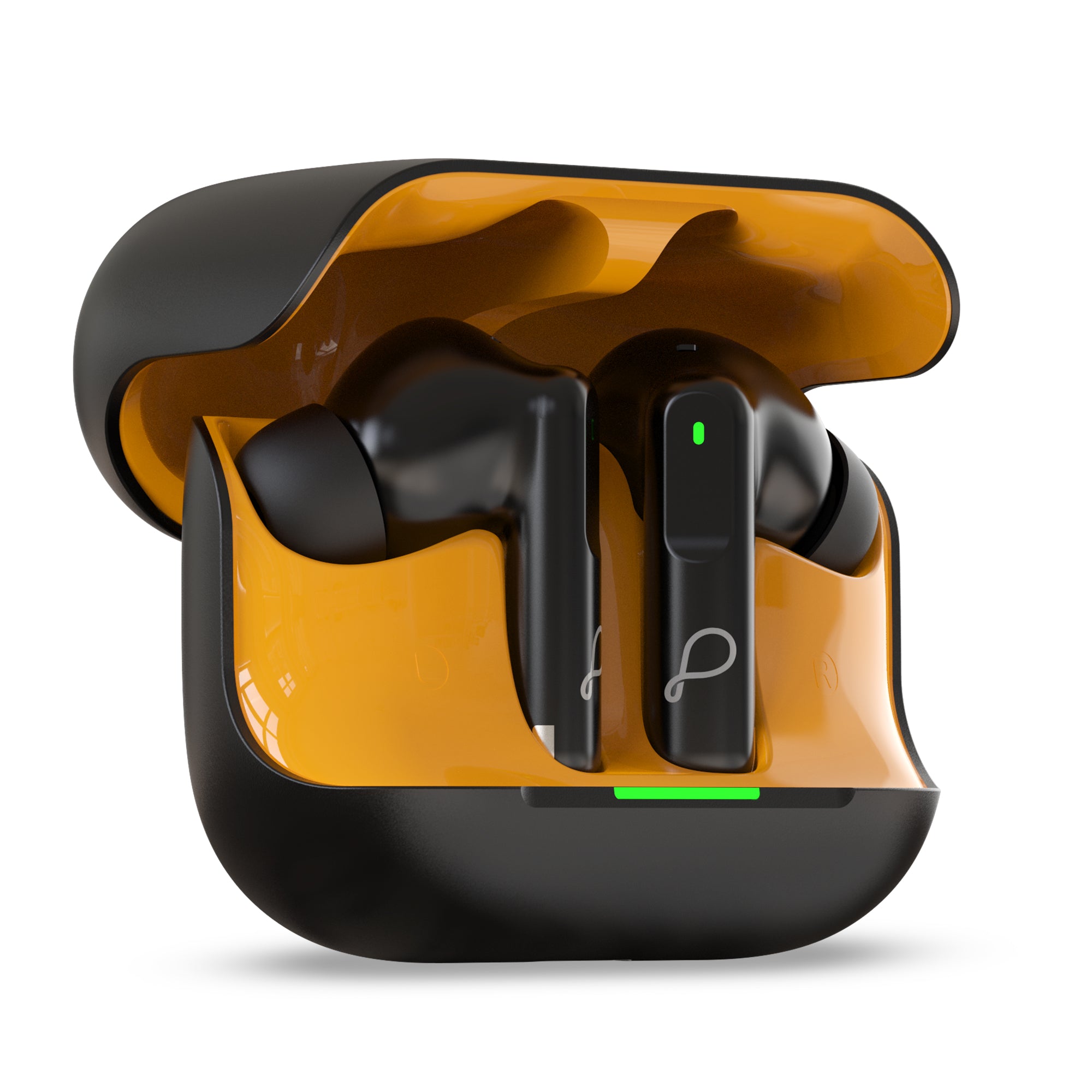
Pebble Luxe Buds Z1 Active Noise Cancelling Earbuds OEM Wholesale
Global B2B Sourcing Hub

Active Noise Cancelling Earbuds: Technical Procurement & OEM Manufacturing Guide

Engineered for global distributors, brand importers, and enterprise buyers. Explore 48dB Hybrid ANC depth, Bluetooth 5.4 LE Audio codecs, and certified factory-direct ODM solutions backed by 10+ years of acoustic innovation.


Acoustic Engineering & Sourcing Intelligence

Decoding Next-Generation Active Noise Cancelling Earbuds for Global Procurement

In the highly competitive consumer audio market, global procurement officers and electronic brand importers face significant challenges when evaluating Active Noise Cancelling Earbuds. Beyond simple marketing claims of decibel reduction, establishing long-term commercial success requires a granular understanding of active noise cancellation (ANC) topologies, digital signal processing (DSP) latencies, microphone signal-to-noise ratios (SNR), and acoustic cavity calibration protocols. This technical guide provides verified insights, performance benchmarks, and manufacturing evaluations designed to inform strategic inventory investments.

1. ANC Architectural Topologies: Feed-Forward vs. Feedback vs. Hybrid

Active noise cancellation relies on inverted phase acoustic wave generation. However, the architectural design directly dictates real-world attenuation curves and factory defect probabilities:

  • Feed-Forward ANC: Utilizes external omnidirectional MEMS microphones placed outside the earbud shell. It captures ambient noise before it penetrates the ear canal, providing fast processing for high-frequency attenuation (up to 2–4 kHz). However, it cannot correct internal fit variations or occlusion resonance.
  • Feedback ANC: Positions the sensing microphone inside the nozzle channel, listening to what the user actually hears. It excels at low-frequency correction (50 Hz – 500 Hz) and self-adjusts for seal leakage, but carries a risk of acoustic howling feedback loop if DSP gain calibration exceeds stability thresholds.
  • Hybrid Dual-Core ANC: Combines both feed-forward and feedback microphone placement fed into a multi-core DSP engine. By analyzing external noise profiles and internal canal resonance simultaneously, dynamic active noise cancelling earbuds achieve up to 45dB–48dB broadband suppression while neutralizing wind friction noise.

2. Comparative Matrix: ANC vs. ENC vs. OWS Architectural Trade-Offs

Procurement teams must align audio hardware with target user personas. The decision matrix below highlights technical trade-offs across active, clear-call, and open-ear platforms:

Acoustic Platform Noise Reduction Mechanism Primary Use Case Power Budget
Active Noise Cancelling (ANC) Inverse phase soundwaves (-45dB) Air travel, commuting, noisy offices High (~8–12 mA)
Environmental Noise Cancellation (ENC) Beamforming mic array algorithm Voice calls, teleconferencing, gaming Moderate (~4–6 mA)
Open Wearable Stereo (OWS) Air-conduction spatial acoustic directional beam Outdoor running, cycling, situational awareness Low-Moderate (~5–7 mA)
Enterprise Strengths

Why Global Importers & Distributors Partner with Pebble

Since 2013, Pebble has combined acoustic engineering, firmware optimization, and rigorous manufacturing control to supply tier-1 brands, retail chains, and enterprise importers across 30+ countries. Our dedicated B2B ecosystem is designed to minimize supply chain disruption while maximizing end-user satisfaction.

Ten plus years acoustic engineering legacy

10+ Years Manufacturing Heritage

A decade of experience in TWS acoustic cavity design, SMT component selection, and wireless antenna optimization.

Multi-gate quality control inspection

Multi-Gate In-House Quality Assurance

100% testing of frequency response, phase matching, battery charge cycle endurance, and IPX water resistance before shipment.

Global warranty and engineering support

Full Regulatory Compliance

Components aligned with CE, FCC, RoHS, and BIS standards to ensure smooth international customs clearance and retail compliance.

Global logistics and custom OEM packaging

Custom OEM/ODM Branding

Comprehensive customization covering private label silkscreening, customized Bluetooth pairing IDs, EQ profiles, and retail packaging.

Dedicated enterprise support desk

Direct Factory Technical Support

Dedicated account managers and acoustic engineers available to assist with firmware updates, sample evaluations, and bulk orders.

Product Portfolio

Flagship Active Noise Cancelling & Wireless Earbud Lineup

Explore our lab-tested, high-yield wireless earbud platforms available for bulk wholesale orders and custom OEM/ODM production runs.

View Full Earbud Catalogue →
Hybrid ANC Pebble Luxe Buds Z1 Hybrid Active Noise Cancelling Earbuds
Hybrid ANC (-45dB) · 6-Mic Array · Bluetooth 5.4

Luxe Buds Z1

High-tier active noise cancelling earbuds featuring feed-forward + feedback noise suppression, transparency pass-through mode, and 60-hour extended battery case.

45dB ANCBT 5.4Dual-Device Pair
★★★★★ 4.8 · Verified B2B Order Sample
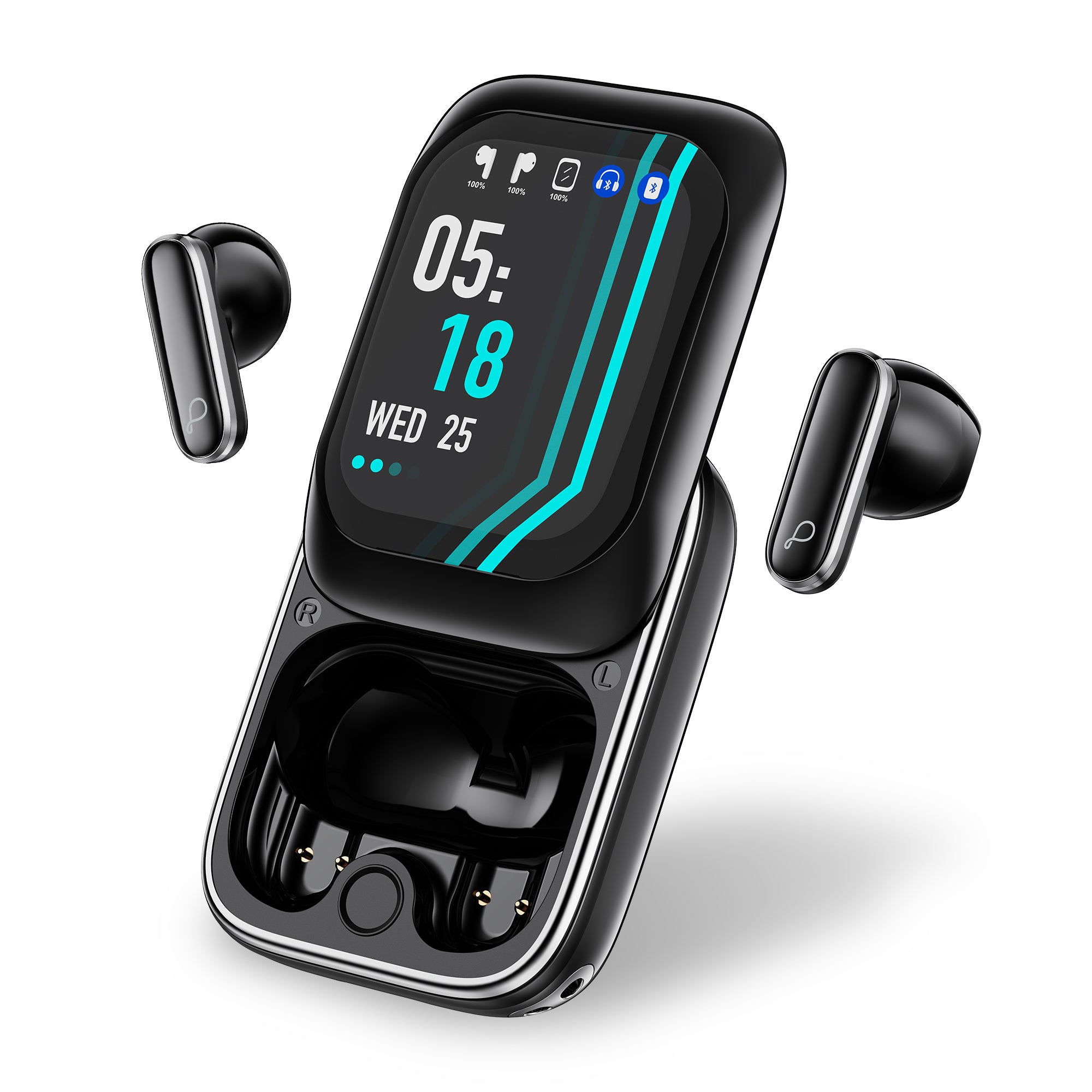
Smart Display Pebble Vision Buds Smart Touch Display Earbuds
2.01" Full-Color Smart Screen Case · ENC Mics

Vision Buds

Innovative TWS earbuds integrated with a full-touch LED screen case for direct playback control, EQ adjustments, caller ID, and ANC mode toggling.

Touch ScreenENC Calls40H Battery
★★★★☆ 4.6 · Popular Consumer Gift SKU
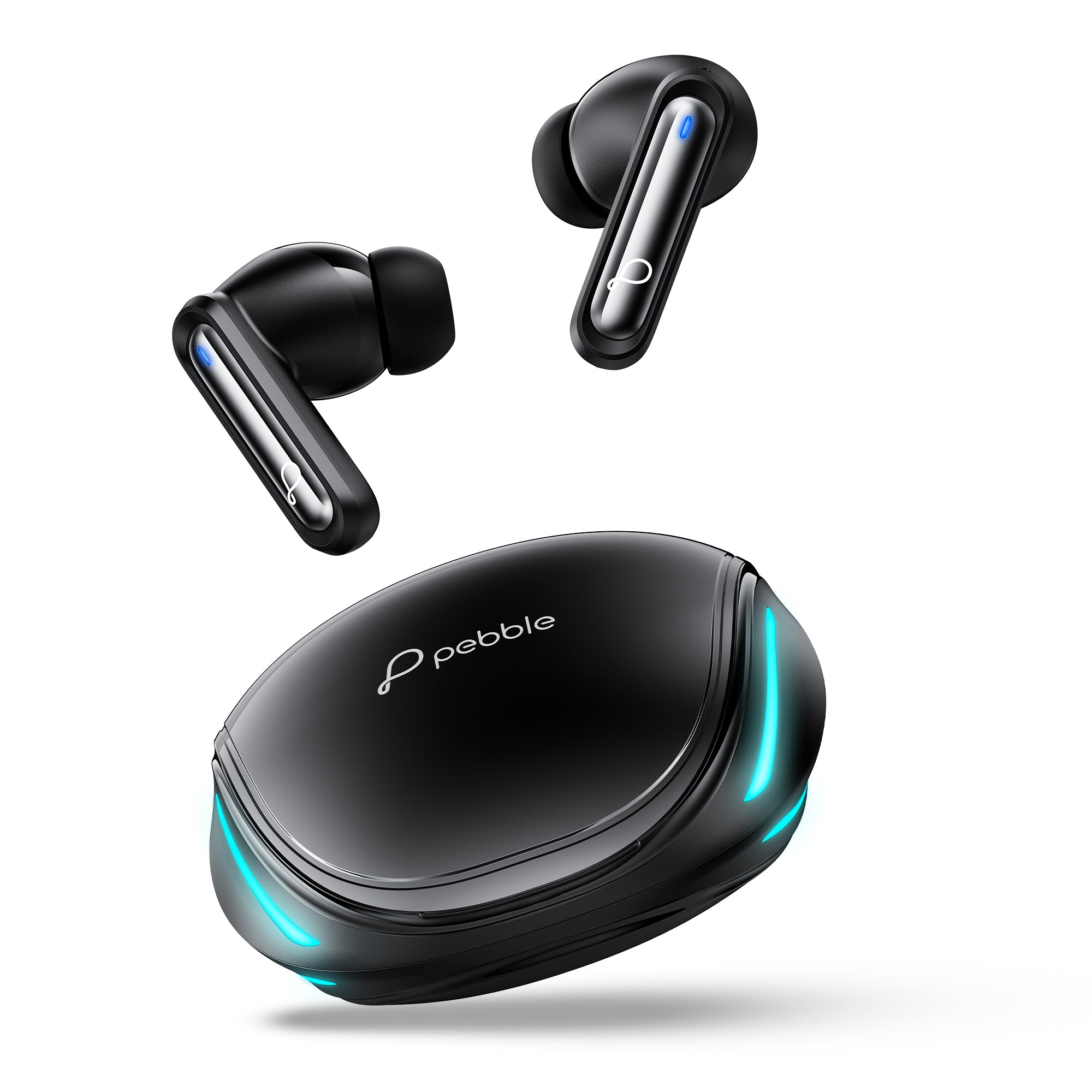
Quad Mic ENC Pebble Striker Buds Quad-Mic Clear Call Earbuds
Quad Microphone ENC · 38ms Ultra-Low Latency

Striker Buds

B2B volume driver built for mobile gaming and remote office calls. Features low-latency DSP algorithms, titanium dynamic drivers, and IPX4 splash resistance.

38ms Gaming ModeIPX4Titanium Driver
★★★★☆ 4.5 · High-Volume SKU
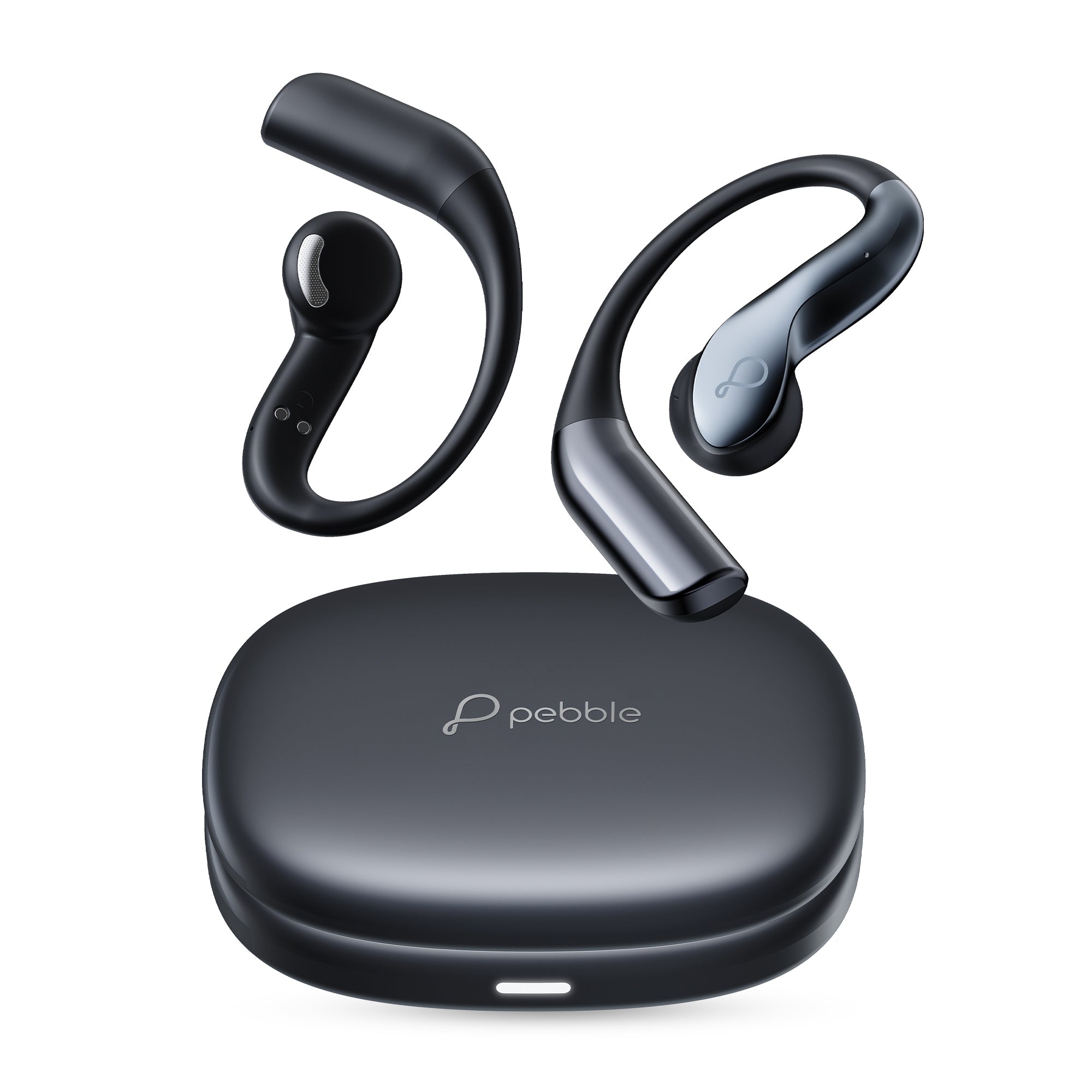
OWS Open-Ear Pebble Open Loop Air Conduction Open-Ear Earbuds
OpenWaveX™ Air Conduction · Zero Pressure Fit

Open Loop

Open wearable stereo (OWS) designed for sports, urban commuting, and long wear comfort without acoustic isolation fatigue. Features directional beamforming audio.

Open-EarDirectional AudioComfort Fit
★★★★☆ 4.7 · Outdoor Sports Category
Industry Forecasting & Technology Roadmap

As AI algorithm integration and semiconductor manufacturing advance, procurement managers must anticipate technological shifts to prevent inventory obsolescence. The following five trends represent key growth vectors driving the active noise cancelling earbuds market over the next three to five years.

01

Neural Network AI Adaptive ANC

Legacy ANC earbuds rely on fixed gain profiles. Next-generation models incorporate micro-edge Neural Processing Units (NPUs) that execute real-time acoustic scene classification. By recognizing specific environments (cabin pressure drop, subway rail squeal, crowded office chatter), the algorithm dynamically alters attenuation parameters without user intervention.

02

Bluetooth 5.4 & LE Audio (LC3 Codec)

The industry transition from SBC/AAC to the LC3 (Low Complexity Communication Codec) standard enables superior sound quality at half the data bitrate. This reduction in wireless transmission overhead directly decreases system energy consumption by up to 35%, allowing slimmer earbud batteries to deliver over 10 hours of active play time with ANC engaged.

03

Biometric Sensor Convergence

The convergence of wearable technology and personal audio has led to the integration of miniature photoplethysmography (PPG) optical sensors inside ANC earbud nozzles. Importers can now offer products that track real-time heart rate, ear canal body temperature, and stress levels while providing active noise suppression.

04

Zero-Latency Spatial Audio with Head Tracking

Advanced 6-axis inertial measurement unit (IMU) sensors combined with real-time spatial positioning DSP allow active noise cancelling earbuds to recreate a multi-channel 3D soundstage. This capability is becoming a standard requirement for gaming headsets, AR/VR integration, and premium home theater audio gear.

05

Sustainable & Recycled Eco-Materials

Global importers serving European and North American markets face strict ESG regulations. Future ANC manufacturing standardizes Post-Consumer Recycled (PCR) plastics for earbud housings, plastic-free soy-ink packaging, and eco-friendly cobalt-free lithium batteries to simplify compliance with eco-design mandates.

Request OEM Customization Specifications

Speak with Pebble's acoustic engineering team to customize ANC chipsets, shell tooling, and packaging for your market.

Get a Quote
Engineering Reference

B2B Specification Comparison Map: TWS & ANC Earbuds

Use this benchmark table to evaluate architectural specifications, micro-driver configurations, battery capacities, and targeted retail price positioning across our product lineup.

Technical Parameters for B2B Procurement and Custom OEM/ODM Ordering.
Earbud Model / Platform Noise Cancellation Depth Bluetooth Chipset & Protocol Driver Material & Size Battery Life (Earbuds / Case) Custom OEM/ODM MOQ Request Quotation
Luxe Buds Z1 (Hybrid ANC) 45dB – 48dB (Feed-Forward + Feedback) Qualcomm / BES Bluetooth 5.4 12mm DLC Dynamic Driver 8 hrs (ANC On) / 60 hrs with case 1,000 Units Get a Quote
Vision Buds (Touch Screen) 28dB (Feed-Forward ANC) + ENC Mics JL / Realtek Bluetooth 5.3 13mm Composite Titanium Driver 6 hrs / 40 hrs with smart case 2,000 Units Get a Quote
Striker Buds (Gaming ENC) ENC Dual-Mic Environmental Reduction Airoha Low-Latency Bluetooth 5.3 10mm Polymer Dynamic Driver 7 hrs / 35 hrs with case 1,000 Units Get a Quote
Open Loop (OWS Open-Ear) Directional Beamforming (Passive Ambient) Realtek Bluetooth 5.4 (LE Audio) 16.2mm Bio-Diaphragm Driver 10 hrs / 50 hrs with case 1,000 Units Get a Quote
Pebble earbud quality assurance and acoustic testing lab
Manufacturing & Engineering Excellence

Rigorous Quality Control & Acoustic Tuning Standards

At Pebble, every active noise cancelling earbud unit undergoes multi-stage acoustic verification to eliminate channel imbalance, high-volume THD (Total Harmonic Distortion), and connection dropouts. Our ISO-certified production facilities maintain strict quality gates throughout the manufacturing lifecycle.

  • APx555 Audio Precision Testing: 100% automated sweep test verifying frequency response, SPL curve compliance, and harmonic distortion under < 0.5% tolerance.
  • Sound Chamber Phase Calibration: Feed-forward and feedback MEMS mic sensitivity matching within ± 1dB to guarantee consistent ANC attenuation across production batches.
  • Environmental Strain Validation: Thermal shock testing (-20°C to 60°C), salt spray corrosion resistance for sweat protection, and 5,000-cycle hinge drop tests on charging cases.
  • Battery Life Cycle Aging: Premium A-grade lithium-polymer cells certified to retain > 85% capacity after 500 charge-discharge cycles.
Get a Quote
Procurement Guidance

Frequently Asked Questions by Global Audio Importers

Get instant answers to technical, commercial, and regulatory queries commonly raised by international purchasing teams when ordering Active Noise Cancelling Earbuds.

For entry-level retail markets, a feed-forward ANC depth of -25dB to -30dB is standard. However, premium commercial-grade active noise cancelling earbuds require Hybrid Dual-Core ANC achieving -42dB to -48dB suppression. This deeper attenuation covers a broader frequency band (20Hz – 2.5kHz), effectively neutralizing low-frequency aircraft engines, subway noise, and office HVAC background sound.

Feed-Forward ANC uses a single external mic per earbud, offering lower component cost and higher assembly yield rates. Feedback ANC places the mic inside the acoustic nozzle, requiring precise cavity sealing to avoid internal resonance. Hybrid ANC combines both approaches with dual DSP processing; while it increases unit component cost by 20%–35%, it delivers superior noise isolation and commands significantly higher retail margins.

Import requirements vary by region. European imports require CE-RED (Radio Equipment Directive), RoHS, REACH, and WEEE compliance. North American markets mandate FCC ID certification and California Proposition 65 testing. Asian markets such as India require BIS certification and WPC ETA clearance. Pebble provides full certification documentation packages for all OEM/ODM shipments.

Bluetooth 5.4 with LE Audio introduces the LC3 codec, which delivers higher audio quality at significantly reduced data bitrates compared to SBC. For importers, this translates to a 30% reduction in earbud battery consumption, lower latency for gaming applications, support for Auracast™ broadcast audio, and a strong technological edge over competitors stocking older Bluetooth 5.0/5.2 inventory.

Pebble executes a strict 4-stage QC protocol: 1) IQC (Incoming Quality Control) on MEMS mics, Bluetooth ICs, and battery cells; 2) IPQC (In-Process QC) during SMT assembly and acoustic cavity ultrasonic welding; 3) FQC (Final Quality Control) via Audio Precision APx555 dynamic acoustic sweep analysis; and 4) OQC (Out-Going QC) drop, vibration, and thermal aging sampling prior to container loading.

Standard OEM private label orders (laser etching, custom pairing name, branded packaging) start at an MOQ of 1,000 units with a production lead time of 25–30 days. Full ODM projects involving custom plastic tooling, bespoke industrial design, and specialized acoustic tuning require an 8–10 week engineering cycle. Pre-production prototype samples are typically delivered within 7 business days.

Acoustic howling occurs when amplified anti-noise signals bleed back into the sensing microphone. Pebble solves this by utilizing physical mesh wind-deflection channels, anti-phase DSP algorithms, and high-SNR (Signal-to-Noise Ratio > 65dB) digital MEMS microphones calibrated with acoustic damping foams within the earbud housing.

ANC performance relies on precise phase cancellation. If the physical acoustic volume of the left and right earbud cavities varies by more than 0.05 cc, the generated anti-noise wave will not align perfectly with incoming ambient sound, causing stereo image drift or reduced low-frequency attenuation. Pebble employs precision-molded acoustic chambers to guarantee unit-to-unit consistency.

Partner With Pebble Audio

Accelerate Your Audio Lineup with Certified ANC Manufacturing

Contact our senior acoustic engineering and enterprise sourcing specialists today to request product samples, factory audit reports, and competitive OEM/ODM wholesale quotations for your market.

Get a Quote Explore Global Service Network