
China Top Magnetic Charger Exporter: B2B Sourcing & Technical Architecture White Paper
In the rapidly expanding landscape of personal consumer electronics, AI smart eyewear, micro-wearables, and high-performance portable power systems, magnetic charging technology has emerged as the definitive hardware standard. As premier manufacturing hubs in China consolidate advanced metallurgy, automated pogo pin tooling, and high-grade N52 Neodymium magnet assembly, global importers, distributors, and brand owners face an evolving technical matrix. Selecting a top-tier magnetic charger exporter from China requires a rigorous understanding of contact engineering, thermal dynamics, anti-electrochemistry gold plating, and custom mold encapsulation.
The primary point of failure for wearable magnetic chargers exported globally is galvanic corrosion triggered by human sweat (acidic electrolyte solutions). Top-tier Chinese exporters overcome this by implementing electrolytic multi-layer plating: an underlying Nickel (Ni) layer of 50u" to 100u", reinforced by an outer hard Gold (Au) plating ranging from 3u" up to 30u", combined with anti-magnetic field isolation plates to maintain 100% signal and power integrity.
1. The Mechanical & Metallurgical Architecture of Precision Magnetic Chargers
A high-durability magnetic cable or surface dock is far more than a simple wire attached to a magnet. The assembly consists of three core engineering sub-systems:
A. Pogo Pin Contact Assemblies
The male and female contact interface relies on precision-machined spring-loaded pogo pins. The plunger is crafted from beryllium copper or brass, engineered to deliver consistent contact force (typically 50g to 150g per pin) across thousands of compression cycles. This maintains an ultra-low contact resistance of less than 30 to 50 milliohms (mΩ), preventing localized heating during high-current fast charging (up to 3A to 5A continuous loads).
B. Neodymium (NdFeB) Magnetic Retention Arrays
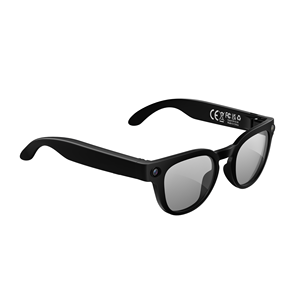
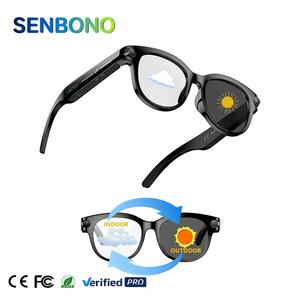
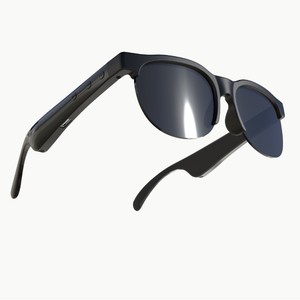
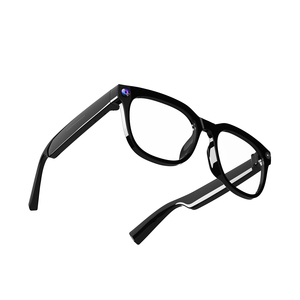
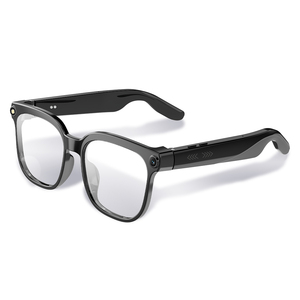
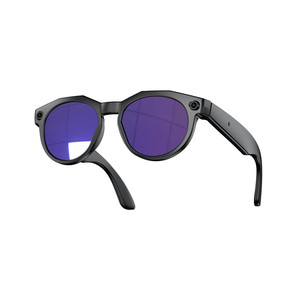
Exporters utilize high-density N52, N54, or temperature-resistant Neodymium magnets. Magnet arrays are arranged in precise North-South polarity configurations to facilitate fool-proof blind mating. When a user brings the charging connector near the device—such as smart audio glasses or compact AMOLED smartwatches—the opposing magnetic forces automatically snap the connector into perfect geometric alignment. Conversely, reverse polarity prevents incorrect insertion, protecting internal IC components from voltage reversal.
C. Waterproof Overmolding & Enclosure Sealing
Achieving IP67 or IP68 ingress protection mandates advanced Liquid Silicone Rubber (LSR) injection or epoxy potting around the magnetic pogo pin housing. This hermetic seal prevents moisture ingress into the electronic host device, allowing smart sports glasses and rugged health bands to withstand deep immersion, rain, and heavy perspiration during intensive physical activities.
2. Global Sourcing & Procurement Trends (2026–2030)
As international regulatory bodies enforce universal power delivery standards and consumers demand sleek, buttonless, seamless hardware aesthetics, the global market for customized magnetic chargers is experiencing structural shifts:
- Elimination of Mechanical Openings: Tier-1 consumer technology brands are phasing out traditional Type-C and Micro-USB physical female sockets on micro-wearables. Eliminating ports removes the weakest point for water ingress, dust accumulation, and structural stress cracks.
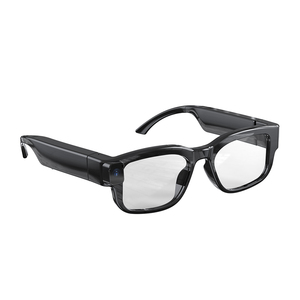
- Simultaneous Data & Fast Charging Synchronization: Modern magnetic connectors are transitioning from basic 2-pin power cables to multi-pin arrays (4-pin, 5-pin, or custom multi-lane configurations). These allow USB 2.0/3.1 high-speed data transfer alongside fast charging, enabling simultaneous firmware flashing, video log offloading from 8MP smart glasses, and power delivery.
- Eco-Design & High Insertion Cycle Longevity: Overseas importers are prioritizing suppliers capable of demonstrating 10,000+ plug-unplug lifecycle tests under ISO 9001 quality management standards. High insertion longevity reduces warranty return rates and minimizes global electronic waste (e-waste).