 Smart Tech
 Smart Glasses Wireless Earbuds Blog
Smart Tech As global electronics move toward standardized micro-footprint charging protocols, procuring validated, CE-certified smart charging stations and integrated wearable power architectures is vital for enterprise distributors, brand importers, and Tier-1 retailers.
In the modern European consumer electronics market, obtaining true CE Certification goes beyond basic sticker placement. It requires strict adherence to the Low Voltage Directive (LVD 2014/35/EU), Electromagnetic Compatibility Directive (EMC 2014/30/EU), and the Radio Equipment Directive (RED 2014/53/EU). Furthermore, for integrated AI wearables and smart audio eyewear charging cradles, fast power delivery must balance thermal dissipation with strict battery lifecycle preservation algorithms.
Our engineered charging stations and fast-charging smart wearables integrate multi-stage circuit safeguards, thermal throttling sensors, and over-current protection modules (OCP) certified under EU safety standards. This technical whitepaper outlines our manufacturing capabilities, next-generation product roadmap, and strategic B2B sourcing frameworks.
Explore our flagship lineup of AI translation glasses, HD video eyewear, dynamic audio wearables, and fast-charging power systems optimized for enterprise OEM/ODM customization.
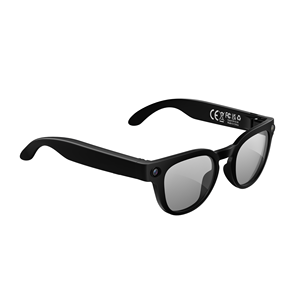
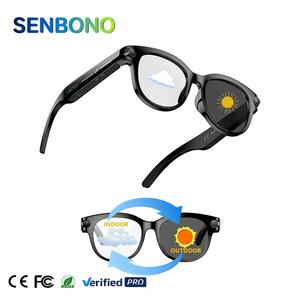
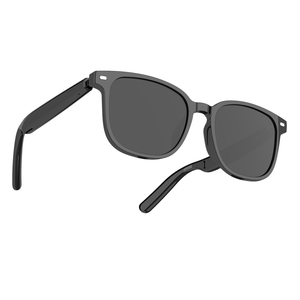
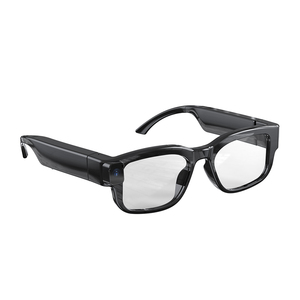
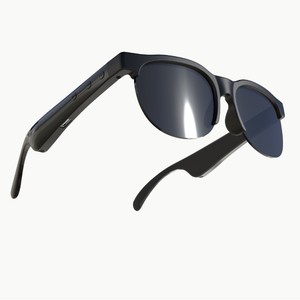
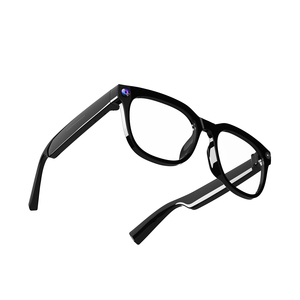
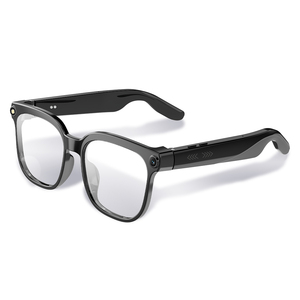
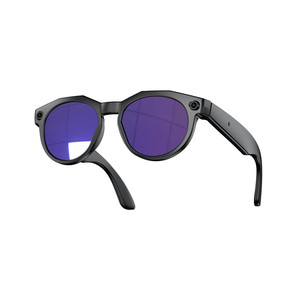
The modern consumer electronics ecosystem has transformed how charging stations are designed, manufactured, and exported globally. Driven by miniaturization, high energy density requirements, and stringent CE regulations, key engineering paradigms are reshaping the industry.
Traditional charging docks were limited by thermal inefficiencies and rigid power distribution protocols. In 2026 and beyond, the convergence of Gallium Nitride (GaN) Semiconductors and Smart Micro-BMS (Battery Management Systems) allows dedicated charging terminals to achieve up to 98% power conversion efficiency in physical footprints 40% smaller than legacy silicon stations.
For smart wearables—including AI glasses with built-in 8MP cameras and high-current wireless audio rings—charging stations must manage micro-current delivery without triggering thermal stress on sensitive lithium-polymer cells. Our CE-certified charging station architecture relies on three core technological pillars:
System automatically negotiates voltage steps from 5V down to 0.1A trickle charge phases to protect wearable battery health over 1,000+ charge cycles.
Custom ferrite shielding eliminates RF interference between high-frequency fast-charging coils and sensitive Bluetooth 5.4 / Wi-Fi chipsets.
Continuous thermal monitoring limits operational temperatures under 42°C even during rapid 22.5W to 65W PD fast-charging modes.
As enterprise buyers prepare for upcoming regulatory compliance milestones across the EU, North America, and Asia-Pacific markets, procurement priorities are shifting toward integrated, multi-device charging ecosystems.
Mandatory compliance with EU directive for unified Type-C charging hubs across all wearable electronics, removing proprietary barrel jacks.
Gold-plated 4-pin and 2-pin magnetic interfaces providing simultaneous high-speed data sync (for HD video extraction) and fast power transfer.
Transition to post-consumer recycled (PCR) polycarbonate housing structures with RoHS 3 and REACH chemical safety verifications.
For international importers, brand managers, and channel distributors, selecting the right manufacturing partner requires evaluating long-term technical trends and supply chain resilience.
Global demand for smart audio glasses, AI translation eyewear, and fitness smart bands has created a surge in multi-port personal charging stations. Modern consumers expect single-cable solutions that charge their primary smart glasses while simultaneously powering portable power banks or smartwatches. Manufacturers capable of delivering unified OEM design language across both wearables and charging hubs are gaining a distinct market advantage.
Customs authorities across Europe and North America have intensified enforcement regarding CE (LVD/EMC) certificates. Importers must verify that test reports are issued by ISO/IEC 17025 accredited labs (such as TÜV, SGS, or Intertek). Our facility provides full compliance dossiers, serialised production batch tracking, and direct firmware verification for every exported shipping container.
Backed by over a decade of continuous wearable and power electronics R&D, our production infrastructure delivers reliable lead times, certified safety, and complete customization flexibility.
High-precision surface mount assembly lines equipped with 3D Automated Optical Inspection (AOI) to eliminate soldering defects.
100% full-load burn-in aging test over 8 hours for all power units, alongside IPX5/IP65 waterproof splash testing chambers.
Full software support for AI voice translation engines (145 languages), custom charging screen UI, and localized app integration.
Dedicated B2B engineering support desk offering spare parts, firmware updates, and regulatory certificate renewals.
Detailed technical answers for importers, product managers, and compliance officers evaluating CE certified charging stations and smart wearable devices.
Our entire range of charging stations, AI camera smart glasses, and power accessories holds full CE compliance covering three core European Directives:
Full test reports and Certificates of Conformity (CoC) issued by accredited laboratories are available upon contract signing.
Small lithium-polymer batteries found in smart glasses (e.g., 290mAh in SENBONO M89 or MT3 series) are sensitive to over-voltage and thermal spikes. Our charging docks and micro-terminals implement a multi-tier Battery Management System (BMS):
We provide flexible tiered MOQ structures tailored to brand maturity:
Yes. For enterprise clients requiring custom real-time translation pipelines, voice assistant workflows, or specialized video streaming, we provide SDK documentation and API endpoints. Our Bluetooth 5.4 architecture supports Android and iOS host platforms, enabling seamless communication between smart glasses, charging docks, and cloud servers.
Standard OEM production lead times range between 15 to 25 business days following sample sign-off and deposit confirmation. All products are packed in UN38.3 compliant drop-tested export cartons. We support EXW, FOB (Shenzhen/Hong Kong), CIF, and DDP shipping terms, complete with MSDS and UN38.3 battery transport certificates for seamless customs clearance.
We back our manufacturing quality with a standard 12-month factory warranty. In the rare event of hardware defects exceeding our 0.3% AQL threshold, we provide free component replacements or credit offsets on subsequent production orders. Furthermore, our technical desk offers direct firmware update files and engineering support for local service centers.
Request factory-direct pricing, complete CE compliance documentation dossiers, or request prototype customization for your brand’s next wearable and charging station launch.
Contact Us