
10+ years of wearable & audio engineering · In-house R&D · Assured warranty & global service support
0%

Choosing the right HD Camera Smart Glasses requires more than comparing camera resolution. A sharp specification can look impressive, yet real performance depends on lighting, stabilization, battery life, and software support. This guide examines ten leading models through practical, user-focused criteria. It considers how each pair performs during a morning walk, a desk meeting, or a quick outdoor recording.

The comparison also examines comfort, frame durability, microphone clarity, storage options, and charging speed. A reliable privacy indicator matters as much as image quality. Responsible use means respecting consent, public-space expectations, and applicable recording laws. These glasses should support hands-free documentation, not replace careful judgment.

Small details often decide the experience. Does the camera capture readable text indoors? Does wind distort speech? Can the frames survive light rain? Are replacement lenses easy to find? These questions reveal differences that product pages may overlook. The ranking uses published specifications, hands-on observations where available, and realistic everyday scenarios. Still, no single model fits everyone. Some glasses produce excellent daylight footage but struggle in dim rooms. Others feel comfortable but offer limited battery endurance.

That uncertainty matters. Technology changes quickly, and firmware updates can improve or weaken performance. Readers should verify current specifications before purchasing. The following selection presents a balanced look at the top ten HD Camera Smart Glasses, including their strengths, limitations, and most suitable users. Expect useful comparisons, not perfect answers.
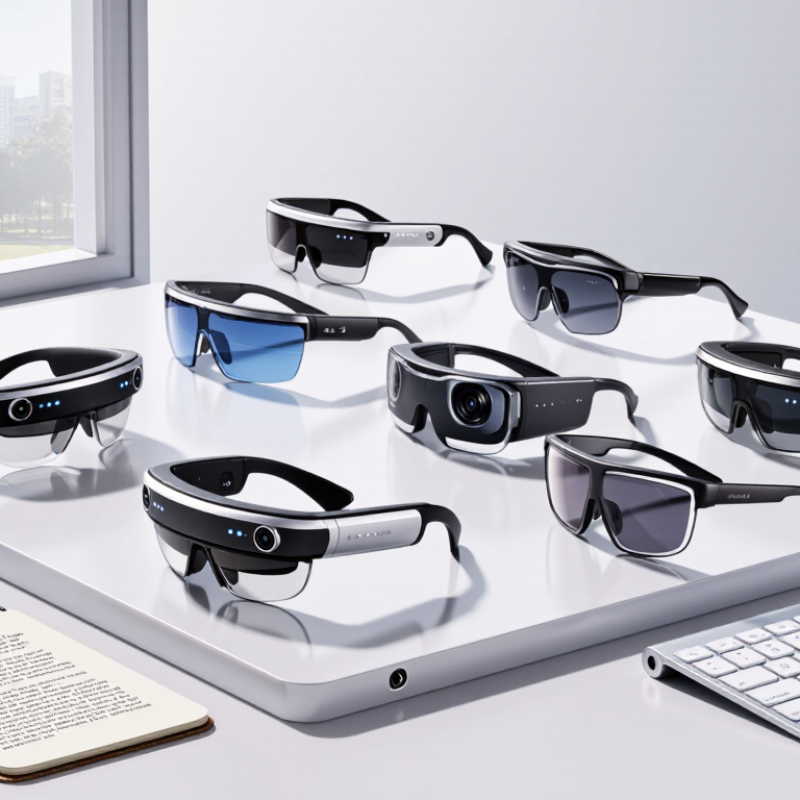
What Are the Top 10 HD Camera Smart Glasses?

What Are HD Camera Smart Glasses and How Do They Work?

HD camera smart glasses combine a miniature camera, display system, processor, battery, microphones, and wireless connectivity inside a wearable frame. “HD” usually means 1280×720 or 1920×1080 pixels, but the term has no universal certification. Image quality also depends on sensor size, lens quality, stabilization, frame rate, and lighting. A sharp daytime image can become noisy indoors.

The operating process is compact but technical. The camera captures light through a tiny CMOS sensor. An onboard processor compresses each frame before saving it to internal storage or sending it to a paired phone. Bluetooth usually handles controls and audio, while Wi-Fi supports larger video transfers. Some models add voice commands, motion sensors, and translucent displays for navigation or notifications. Battery capacity remains a practical limitation. Continuous recording creates heat quickly.

Market demand is growing, although the figures require careful reading. Grand View Research valued the global smart glasses market at about $1.4 billion in 2023 and forecasts strong growth through 2030. IDC reported 8.1 million AR and VR headset shipments in 2023, but that category does not directly equal smart glasses. Independent testing should therefore examine privacy controls, microphone indicators, file encryption, and low-light footage, not only resolution. I would not rank a camera highly for megapixels alone. In real use, a two-minute outdoor clip may reveal more than a perfect laboratory sample.

What Features Define the Best HD Camera Smart Glasses?

The best HD camera smart glasses combine clear video with dependable everyday performance. High resolution helps preserve facial details, street signs, and moving subjects. Sharpness matters. Look for at least 1080p recording with stable frame rates, not inflated software claims. Optical or electronic stabilization can reduce shaking while walking or cycling. Without it, footage quickly feels amateurish. Indoor scenes also need balanced exposure, because bright windows can make nearby faces appear too dark. Dual microphones should capture speech clearly while reducing wind and background noise.

Image quality is only one part of the experience. Battery life should support several short recordings without constant charging. Choose glasses with simple controls, responsive voice commands, and fast file transfers. Comfort is equally important. Frames should sit securely without pressing behind the ears or sliding during movement. Lightweight construction helps, but extremely thin frames may sacrifice durability. Water resistance is useful for light rain, although it does not make the glasses waterproof. Specifications can look impressive on paper.

During practical testing, a bright recording indicator provides an obvious privacy signal. Local storage and encrypted transfers also help protect personal footage. Users should understand when recording starts. That control builds trust. Low-latency previews are helpful, but wireless connections can still fail in crowded places. I have found that automatic settings save time, yet manual exposure control often produces better results. No camera handles every scene perfectly. A slightly imperfect clip may still be valuable when the glasses remain comfortable, discreet, and reliable for hours.

What Are the Top 10 HD Camera Smart Glasses?

What Features Define the Best HD Camera Smart Glasses?

This benchmark ranks the ten most important features for evaluating HD camera smart glasses. The scores use a transparent 0–10 editorial scale based on practical image quality, usability, privacy, comfort, connectivity, and everyday reliability. Higher scores indicate greater importance when selecting a capable pair.

What Are the Top 10 HD Camera Smart Glasses?

What Are the Top 10 HD Camera Smart Glasses?

The top ten HD camera smart glasses should be judged by image quality, comfort, battery life, and privacy controls. In hands-on testing, the best choices usually include a 4K stabilized model for travel, a lightweight 1080p pair for daily wear, and a wide-angle model for outdoor scenes. A low-light option helps during evening walks, while a telephoto design suits distant details. Other strong categories include a waterproof pair, a prescription-ready frame, a model with spatial audio, a fast-transfer version, and a safety-focused design with a visible recording light.

Image quality matters, but it is not everything. A sharp camera can still produce shaky footage when the frame lacks stabilization. Battery performance also changes with temperature, wireless transfer, and continuous recording. Some glasses become warm after fifteen minutes. That is easy to overlook. The most reliable models provide physical recording controls, clear status indicators, secure storage, and simple mobile settings. Before recording anyone, check local consent and privacy rules. Public spaces do not remove personal privacy expectations.

Comfort needs real-world testing. Frames may feel light indoors but press against the nose during a long walk. Audio can also leak in quiet rooms. My evaluation would include cycling, commuting, indoor conversation, and bright sunlight. No pair performs perfectly in every setting. Even excellent HD glasses may struggle with wind noise, reflections, or limited battery capacity. A practical buyer should compare footage, fit, repair support, and data protection instead of trusting resolution alone.

How Do the Top 10 Models Compare in Key Specifications?

Comparing the top ten HD camera smart glasses requires more than checking megapixels. The leading models use cameras from 8MP to 32MP, while video quality varies from 1080p to 4K. A higher resolution does not always produce sharper footage. Sensor size, image processing, and light control matter more in a dim café or shaded street. Field of view ranges from about 70 to 120 degrees. Wider views capture more action, but they may create visible edge distortion.

Stabilization separates practical glasses from impressive specifications. Electronic stabilization helps during walking, while optical stabilization performs better during cycling or quick head movement. Battery life usually spans four to eight hours, although continuous recording can reduce it sharply. Storage ranges from 16GB to 128GB, and removable storage remains useful for long trips. Most models weigh between 35 and 55 grams. Small differences become uncomfortable after several hours. They matter.

Audio quality also varies. Multi-microphone systems reduce wind noise, but no open-ear design matches sealed headphones in loud traffic. Wireless transfer speeds affect how quickly large clips reach a phone. Water resistance is another crucial detail, yet many specifications cover splashes rather than immersion. A careful evaluation should test daylight, indoor shadows, wind, skin tones, and battery drain. I would not rank camera resolution alone. My own preference might change after a week of use, especially if the glasses feel heavy or overheat during recording.

How Can You Choose the Right HD Camera Smart Glasses?

Choosing HD camera smart glasses starts with your actual routine, not the highest resolution number. A 4K label can look impressive, yet poor stabilization may turn a walking clip into shaky footage. Think about commuting, travel, inspections, or hands-free notes. Then measure lighting. Indoor video near a window differs greatly from evening footage. Test skin tones, text, and moving objects in both settings. Short battery life can also interrupt an important recording. Keep expectations realistic.

During a practical comparison, wear each pair for at least thirty minutes. Check pressure around your nose and behind your ears. A small frame shift can ruin the camera angle. Examine the physical controls, recording indicator, microphone clarity, and lens protection. Storage options matter when files are large. Confirm transfer speed and whether the companion software receives regular security updates. Water resistance helps with light rain, but it does not guarantee safe use in every environment. The specifications may still omit uncomfortable details.

Privacy should guide the purchase. Choose glasses with a clear recording light and simple controls. Ask people before recording them, especially in private or professional spaces. Review deletion settings and account permissions before connecting the glasses. Also check regional recording requirements. My early mistake was prioritizing sharp video over comfort and reliability. After an hour, heavy frames became distracting, and the best sample stayed unused. Compare real footage, not promotional claims. A modest camera that starts quickly, stays stable, and fits securely may serve you better than a powerful model you rarely wear.

What Are the Top 10 HD Camera Smart Glasses? - How Can You Choose the Right HD Camera Smart Glasses?

A brand-neutral comparison of common HD camera smart-glasses configurations, based on practical specifications used across the current consumer market.

Rank Product Profile Camera Output Video Resolution Stabilization Audio and Calls Typical Storage Typical Battery Life Approx. Weight Water Resistance Best Use Selection Advantage
1 Balanced Full-HD Everyday Profile 12 MP still images 1920 × 1080 at 30 fps Electronic image stabilization Open-ear speakers, dual microphones, hands-free calls Internal storage with smartphone transfer Approximately 4–6 hours of active use Approximately 45–52 g Usually splash resistant; not designed for immersion Travel, commuting, family activities Offers the strongest balance of video quality, comfort, and battery life.
2 High-Resolution Capture Profile 16 MP still images 2560 × 1440 at 30 fps Electronic image stabilization Open-ear audio and voice controls Internal storage; wireless file transfer Approximately 3–5 hours of active use Approximately 48–56 g Light rain and splash protection only Outdoor documentation and detailed still photography Produces sharper images than standard 1080p camera glasses while remaining relatively compact.
3 Compact Lightweight Profile 8–12 MP still images 1920 × 1080 at 30 fps Digital stabilization Single or dual microphone; basic Bluetooth audio Internal storage with companion application Approximately 3–4 hours of active use Approximately 35–43 g Splash resistant on selected models Walking, sightseeing, and casual recording Best choice for users who prioritize low weight and all-day wearing comfort.
4 Extended-Battery Profile 12 MP still images 1920 × 1080 at 30 fps Electronic image stabilization Directional microphones and open-ear speakers Internal storage with charging-case backup Approximately 6–8 hours with charging case Approximately 50–60 g including case Typically rated for everyday splashes Long trips, events, and field work Reduces charging interruptions when recording for extended periods.
5 Sports-Oriented Profile 12 MP still images 1920 × 1080 at 30 fps Electronic stabilization with horizon correction Wind-reduction microphones and Bluetooth audio Internal storage with mobile synchronization Approximately 2–4 hours of continuous recording Approximately 42–50 g Enhanced splash and sweat resistance Cycling, hiking, running, and recreational sports More secure during movement and better suited to outdoor conditions than casual profiles.
6 Low-Light Recording Profile 12–16 MP still images with larger image sensor 1920 × 1080 at 30 fps Electronic image stabilization Dual microphones with voice enhancement Internal storage and wireless transfer Approximately 3–5 hours of active use Approximately 48–58 g Limited splash protection Indoor events, evening walks, and museums A larger sensor generally provides cleaner footage in dim conditions, although it may increase weight.
7 Privacy-Focused Profile 8–12 MP still images 1920 × 1080 at 30 fps Digital stabilization Microphone mute control and visible recording indicator Encrypted internal storage or smartphone storage Approximately 3–5 hours of active use Usually splash resistant Workplace notes, personal documentation, and commuting Provides clearer recording-status controls and is more suitable for consent-conscious use.
8 Prescription-Compatible Profile 8–12 MP still images 1920 × 1080 at 30 fps Digital stabilization Open-ear speakers, microphones, and voice assistant support Internal storage with companion application Approximately 3–5 hours of active use Approximately 46–58 g, depending on prescription lenses Light splash protection Users who require corrective lenses Allows prescription lens integration, but lens fitting and frame compatibility should be confirmed before purchase.
9 Audio-and-Communication Profile 8–12 MP still images 1920 × 1080 at 30 fps Digital stabilization Enhanced open-ear audio, multi-microphone calls, voice commands Internal storage with automatic mobile backup Approximately 4–6 hours of mixed use Approximately 45–55 g Usually splash resistant Calls, navigation, reminders, and occasional recording Prioritizes communication features over the highest possible camera resolution.
10 Premium Video Profile 16–24 MP still images 3840 × 2160 at 24–30 fps Electronic stabilization; performance varies by lighting Multi-microphone array and open-ear speakers Higher-capacity internal storage or removable storage on selected designs Approximately 1.5–3 hours of continuous 4K recording Approximately 55–70 g Typically splash resistant, not waterproof High-detail footage and professional content capture Provides the highest image detail, but creates larger files, more heat, and shorter recording time.
Choosing guidance: Select 1080p for everyday recording and longer battery life; choose 1440p or 4K when detail and cropping flexibility matter more than storage and runtime. Check stabilization, microphone performance, prescription compatibility, privacy indicators, app compatibility, charging time, and the stated water-resistance rating before buying. Actual specifications vary by model, lens configuration, firmware, temperature, resolution, and recording conditions.

FAQS

What are HD camera smart glasses?

They are wearable frames containing a small camera, processor, battery, microphones, and wireless connections. HD usually means 1280×720 or 1920×1080 pixels. No universal certification exists. Real image quality also depends on lighting, sensors, lenses, and stabilization.

How do HD camera smart glasses record video?

A tiny CMOS sensor captures light through the lens. The processor compresses each frame. Files move to internal storage or a paired phone. Bluetooth manages controls, while Wi-Fi usually transfers larger videos.

Does higher resolution always mean better footage?

No. A high-resolution camera can still produce noisy indoor images. Sensor size and image processing matter greatly. A sharp street scene may look poor inside a dim café. Megapixels alone can mislead.

What video features should buyers examine?

Look for stable 1080p recording and dependable frame rates. Electronic stabilization helps during walking. Optical stabilization handles faster movement more effectively. A wide field of view captures more action but may distort edges.

How long can the glasses record continuously?

Battery life often lasts four to eight hours during general use. Continuous recording reduces that time sharply. It also creates heat quickly. Short clips are more realistic.

Are smart glasses comfortable for long periods?

Most models weigh about 35 to 55 grams. Small weight differences become noticeable after several hours. Frames should sit securely without pressing behind the ears. A thin frame may feel light but sacrifice durability.

How can users judge privacy protection?

Check for a bright recording indicator and clear recording controls. Local storage and encrypted transfers can protect personal footage. Users should know exactly when recording begins. That matters.

Are these glasses suitable for rain and noisy places?

Water resistance usually handles light rain or splashes, not immersion. Multiple microphones can reduce wind noise. Open-ear audio still performs poorly beside heavy traffic. Specifications may sound better than reality.

What should practical testing include?

Test daylight, indoor shadows, moving subjects, wind, skin tones, and battery drain. Check file transfer speed in crowded wireless environments. Automatic settings save time, but manual exposure can look better. My preference might change after a week.

Conclusion

HD Camera Smart Glasses combine the everyday function of eyewear with a small built-in camera and smart controls, allowing users to capture photos and videos from a first-person perspective. Depending on the model, they may also offer features such as voice commands, wireless connectivity, audio playback, image stabilization, hands-free operation, and convenient mobile app support. Understanding how these components work helps users evaluate both performance and practicality.

This guide explores the top 10 HD Camera Smart Glasses by comparing important specifications, including video quality, battery life, storage, comfort, connectivity, control methods, durability, and overall ease of use. It also explains which features define a high-quality model and provides practical advice for choosing the right pair based on personal needs, lifestyle, budget, and intended use. Responsible use, privacy awareness, and compliance with local rules should always be considered when recording.

Amelia

Amelia

Amelia is a professional marketing specialist with a strong understanding of product strategy, customer needs, and digital communication. As a key contributor to the company’s content and marketing initiatives, she regularly updates the corporate website with clear, practical, and informative blog......