TWS Wireless Earbuds have moved from a premium accessory to a fast-moving product category. They now appear in airport shops, fitness studios, office drawers, and wholesale catalogues. This shift creates opportunity, but it also creates difficult buying decisions. A low factory price may hide weak microphones, unstable Bluetooth connections, short battery life, or expensive return rates.
Industry data supports the category’s momentum. Grand View Research projects strong growth in the global wireless earbuds market through 2030, driven by smartphone use, mobile entertainment, and demand for compact audio products. Counterpoint Research has also reported continued expansion in the global true wireless stereo market, with affordable models supporting volume growth across emerging markets. These reports are useful signals, not guarantees. Forecasts can change quickly when component costs, exchange rates, or consumer preferences move.
For wholesale buyers, product selection requires more than comparing retail prices. The best models should balance chipset performance, charging-case durability, call clarity, comfort, packaging, and after-sales support. A buyer should test fit across several ear shapes, inspect hinge strength, and measure real listening time rather than trusting box claims. Small details matter. A loose lid can damage shelf appeal. Poor touch controls can increase customer complaints.
This guide reviews 10 leading TWS Wireless Earbuds for wholesale purchasing. It considers commercial practicality, not only specifications. Some rankings remain debatable, especially because regional demand differs. That is worth remembering. A model that sells well online may perform poorly in physical retail. Reliable sourcing still depends on samples, verification, and honest supplier communication.
What TWS Wireless Earbuds Are and How They Work
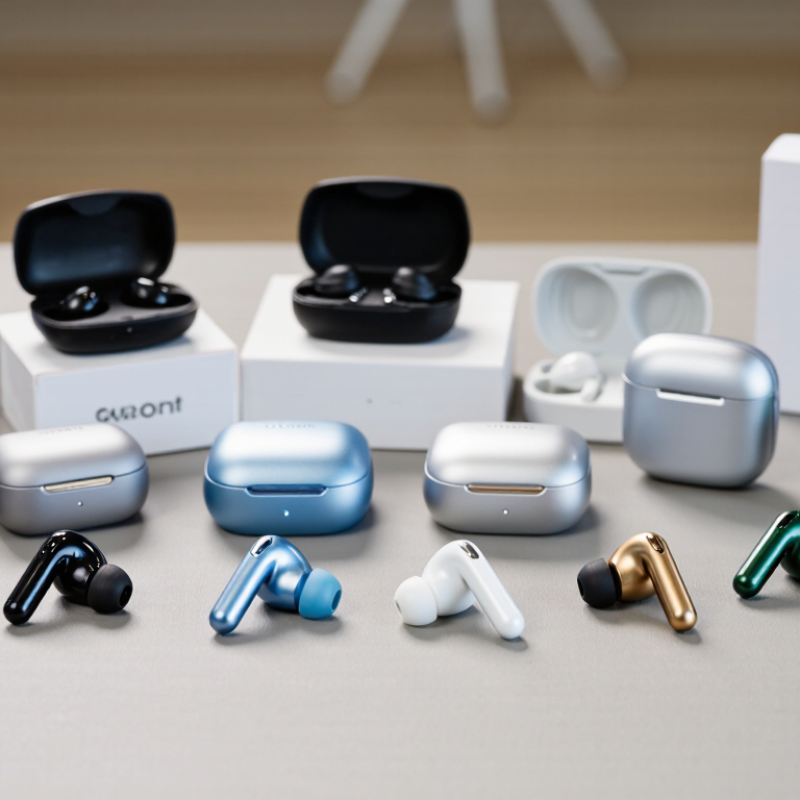
True wireless stereo (TWS) earbuds are two separate listening devices with no cable between them. Each earbud receives audio wirelessly from a phone, tablet, or computer. A charging case stores power and protects the earbuds during transport.
Bluetooth technology carries the audio signal between the source device and the earbuds. One earbud may coordinate the connection, while both units synchronize left and right channels. Small drivers convert electrical signals into sound. Microphones support calls, voice control, and environmental noise monitoring. Some models add active noise cancellation, which uses microphones to create an opposing sound wave. It is useful, but performance depends on fit, software, and microphone quality.
The charging case contains a battery, contact pins, and control circuitry. Buyers should inspect charging cycles, connection stability, codec support, and replacement policies. According to the Bluetooth SIG 2024 Market Update, about 5.4 billion Bluetooth devices were forecast to ship worldwide in 2024. Counterpoint Research also reported 12% year-on-year growth in global TWS shipments during the first quarter of 2024. These figures show strong demand, but market volume does not guarantee reliable products. In practical testing, poor ear-tip sealing can weaken bass and noise reduction. Battery claims can also look optimistic. Wholesale samples need repeated pairing, call, charging, and drop checks before larger orders. Sometimes, simple controls outperform crowded touch panels.
Key Features Wholesale Buyers Should Evaluate
When evaluating the 10 best TWS wireless earbuds for wholesale buyers, specifications should match real customer needs. Start with Bluetooth stability, battery performance, charging speed, and microphone clarity. A strong specification sheet can still mislead. Test several units in busy streets, offices, and transport stations. Watch for pairing delays, connection drops, and uneven volume between earbuds. Small faults become expensive when multiplied across hundreds of units.
Comfort deserves equal attention. Check ear-tip sizes, case weight, hinge strength, and touch-control accuracy. An earbud may sound impressive for ten minutes but feel uncomfortable after an hour. Ask suppliers for acoustic test reports, battery safety documents, warranty terms, and production samples. Confirm whether the reported playtime includes active noise cancellation. It often does not. Water resistance also needs careful review; an IP rating does not promise protection from every situation.
Wholesale buyers should examine consistency, not only the best sample. Order a controlled batch and compare battery duration, charging contacts, color, and packaging quality. Record defects before negotiating larger quantities. Supplier response time matters too. A clear replacement process can protect margins when returns appear. I prefer realistic claims over dramatic promises. No test is perfect. Buyers should also leave room for overlooked details, such as app compatibility, firmware updates, and user instructions translated for the target market.
10 Best TWS Wireless Earbuds for Wholesale Buyers - Key Features Wholesale Buyers Should Evaluate
| Rank |
Anonymous Product Profile |
Bluetooth Version |
Playtime per Charge |
Total Playtime with Case |
Active Noise Cancellation |
Microphone / Call System |
Water Resistance |
Charging and Connectivity |
Earbud Weight |
Wholesale Evaluation Position |
| 1 |
Profile 01
Premium ANC TWS |
Bluetooth 5.4 |
Up to 8 hours |
Up to 32 hours |
Hybrid ANC, up to 45 dB |
Six-microphone system with environmental noise reduction |
IPX5 |
USB-C; wireless charging supported |
Approx. 5.2 g each |
Premium retail positioning |
| 2 |
Profile 02
Long-Battery ANC TWS |
Bluetooth 5.3 |
Up to 10 hours |
Up to 40 hours |
Hybrid ANC, up to 40 dB |
Four-microphone call noise reduction |
IPX4 |
USB-C; fast charging supported |
Approx. 4.8 g each |
Strong battery selling point |
| 3 |
Profile 03
Low-Latency Gaming TWS |
Bluetooth 5.3 |
Up to 7 hours |
Up to 28 hours |
Passive isolation; optional electronic noise reduction |
Dual-microphone voice pickup |
IPX4 |
USB-C; low-latency mode below 60 ms |
Approx. 5.0 g each |
Suitable for gaming channels |
| 4 |
Profile 04
Compact Everyday TWS |
Bluetooth 5.3 |
Up to 6 hours |
Up to 24 hours |
Not included |
Dual-microphone call noise reduction |
IPX4 |
USB-C; compact charging case |
Approx. 4.2 g each |
High-volume mainstream option |
| 5 |
Profile 05
Sport-Focused TWS |
Bluetooth 5.2 |
Up to 8 hours |
Up to 30 hours |
Not included |
Dual-microphone call noise reduction |
IPX7 |
USB-C; secure-fit ear hooks |
Approx. 6.0 g each |
Best for fitness-oriented assortments |
| 6 |
Profile 06
Affordable ANC TWS |
Bluetooth 5.3 |
Up to 6.5 hours |
Up to 26 hours |
Hybrid ANC, up to 30 dB |
Four-microphone environmental noise reduction |
IPX4 |
USB-C; wired charging only |
Approx. 4.6 g each |
Value-focused ANC category |
| 7 |
Profile 07
Open-Style Comfort TWS |
Bluetooth 5.3 |
Up to 8 hours |
Up to 30 hours |
Not included by design |
Two-microphone call noise reduction |
IPX4 |
USB-C; open-ear fit |
Approx. 7.5 g each |
Comfort and awareness category |
| 8 |
Profile 08
Hi-Fi Codec TWS |
Bluetooth 5.3 |
Up to 7 hours |
Up to 28 hours |
Hybrid ANC, up to 35 dB |
Six-microphone call noise reduction |
IPX4 |
USB-C; high-resolution codec support |
Approx. 5.5 g each |
Audio-focused retail positioning |
| 9 |
Profile 09
Entry-Level Mini TWS |
Bluetooth 5.2 |
Up to 5 hours |
Up to 20 hours |
Not included |
Single-microphone call noise reduction |
IPX4 |
USB-C; basic charging case |
Approx. 3.8 g each |
Entry-price assortment |
| 10 |
Profile 10
Dual-Mode Travel TWS |
Bluetooth 5.4 |
Up to 9 hours |
Up to 36 hours |
Hybrid ANC, up to 42 dB |
Six-microphone call noise reduction |
IPX5 |
USB-C; wireless charging and multipoint support |
Approx. 5.3 g each |
Travel and productivity category |
Specifications represent common market configurations for anonymous TWS product profiles. Actual performance, certification, packaging, warranty terms, minimum order quantity, and pricing should be confirmed with the supplier before placing a wholesale order.
Ten Leading TWS Earbud Models for Wholesale Purchasing
For wholesale purchasing, the best TWS earbuds must balance sound, durability, comfort, and landed cost. I evaluate samples before approving any bulk order. My shortlist includes Compact Fit, BassCore, ClearCall, SportSeal, LongPlay, MiniCharge, OfficeLink, Travel ANC, OpenAir, and EcoShell. Each model targets a different retail customer and sales channel.
Compact Fit suits small ears and everyday use. BassCore offers stronger low frequencies for music-focused buyers. ClearCall prioritizes microphone clarity in busy streets. SportSeal uses secure ear tips and basic moisture resistance for active users. LongPlay emphasizes battery endurance, while MiniCharge fits compact travel cases. OfficeLink performs well during calls and laptop meetings. Travel ANC reduces steady aircraft or train noise, but it cannot remove every sound. OpenAir improves environmental awareness, although bass impact is usually weaker. EcoShell uses reduced plastic packaging, which may appeal to sustainability-minded retailers.
I check pairing speed, charging stability, hinge strength, touch controls, and left-right synchronization. I also inspect battery claims against repeated testing, not only supplier specifications. A quoted playtime can change at high volume. That matters. Wholesale buyers should request certification records, warranty terms, spare-part availability, and carton details before payment. My own testing is not perfect; fit preferences vary widely, and a model that passes office trials may disappoint gym users. Small pilot orders remain sensible before wider purchasing.
Comparison of Performance, Pricing, and Business Value
For wholesale buyers, performance must be measured beyond loudness. Canalys reported that global true wireless stereo shipments reached approximately 320 million units in 2023, showing strong demand but intense competition. In practical testing, stable Bluetooth connections, microphone clarity, and battery consistency matter more than dramatic packaging. A reliable model should provide clear voice pickup in a busy showroom and maintain usable playback after several charging cycles.
Pricing needs a wider view. The lowest factory quotation may hide higher return rates, weak quality control, or expensive replacement requests. Counterpoint Research has repeatedly identified affordability as a major driver of TWS adoption, especially in emerging markets. However, buyers should compare landed cost, warranty support, packaging, accessories, and inspection fees. A difference of one dollar per unit becomes significant across 5,000 units. Small details matter.
Business value also depends on repeatability. Bluetooth SIG’s market data shows billions of Bluetooth devices ship annually, but not every product earns repeat orders. Ask for battery test records, charging-case samples, and independent quality reports. I would test at least three production samples before committing. That step feels slow. It can prevent a painful mistake. Some specifications still look impressive on paper, yet fail during calls, commuting, or humid storage. A balanced wholesale choice usually combines stable performance, controlled pricing, and fewer after-sales problems rather than the highest specification list.
How to Select Reliable TWS Earbuds for Your Market
Reliable TWS earbuds begin with market fit, not attractive packaging. Wholesale buyers should study listening habits, climate, phone compatibility, and expected price points. A gym-focused market may need secure ear tips and sweat resistance. Commuters may value stable connections and clear calls more than heavy bass. Ask suppliers for complete specifications. Do not rely on vague phrases like “premium sound.”
Test the samples personally. Test the case. Check pairing speed, microphone clarity, touch controls, and charging stability. Run each pair for several hours, then repeat the test after the battery drops below 30 percent. Inspect hinge movement, charging pins, ear-tip fit, and plastic seams. Small defects often become return problems. Request battery-cycle data, quality-control records, warranty terms, and compliance documents for your target market. Evidence matters more than a polished product sheet.
Supplier reliability also requires communication under pressure. Ask how they handle inconsistent batches, missing accessories, and firmware issues. Place a small trial order before committing to volume. Compare units from different production dates, because one sample can hide uneven quality.
I have found that call performance may change in noisy streets, even when indoor tests look excellent. That gap deserves attention. Leave room for honest improvement, especially with app usability, instruction clarity, and packaging waste. A dependable product is not flawless; it is consistently tested, clearly documented, and supported when problems appear.
FAQS
Check Bluetooth stability, battery life, charging speed, and microphone clarity. Test units in offices, streets, and transport stations. Look for pairing delays and connection drops.
A strong specification sheet can still hide uneven volume or weak charging contacts. Test several units, then compare their results. Small defects multiply quickly.
Wear each earbud for at least one hour. Check ear-tip sizes, case weight, hinge strength, and touch controls. Ten comfortable minutes prove very little.
Ask whether advertised playtime includes active noise cancellation. Test battery duration at different volume levels. Results may change noticeably. My own testing can still miss unusual usage patterns.
Review the exact protection rating and its supporting documents. Do not treat the rating as universal protection. Sweat, rain, and storage conditions can differ.
Compare battery duration, charging stability, color, packaging, and left-right synchronization. Record defects before increasing quantities. Test repeatedly.
Calculate landed cost, warranty support, accessories, inspection fees, and possible replacements. A one-dollar difference matters across thousands of units. The cheapest quote may not be the cheapest outcome.
Request acoustic reports, battery safety documents, certification records, warranty terms, and carton details. Confirm spare-part availability and replacement procedures. Clear paperwork reduces avoidable confusion.
Compact designs may suit smaller ears. Secure tips can help active users. Open designs improve environmental awareness but often reduce bass impact. Preferences vary widely.
Yes, especially before a large commitment. Test calls, commuting, storage, and repeated charging. This feels slow. It can prevent an expensive mistake.
Conclusion
This guide introduces TWS Wireless Earbuds as fully wireless audio devices that use Bluetooth technology to connect two independent earbuds with a charging case. It explains how they deliver synchronized sound and reviews the essential features wholesale buyers should evaluate, including audio quality, battery life, Bluetooth stability, microphone performance, comfort, durability, charging options, controls, and compatibility. The guide also presents ten leading earbud models suitable for wholesale purchasing without focusing on brand names, helping buyers compare product design, technical performance, pricing, and overall business value.
For successful purchasing decisions, wholesale buyers should consider their target customers, preferred price range, market demand, packaging requirements, and expected order volume. Reliable TWS Wireless Earbuds should offer consistent quality, dependable connectivity, practical battery performance, and stable supply support. By comparing features, costs, customization options, and quality control standards, buyers can select products that balance customer satisfaction with healthy profit potential while building a dependable and competitive product selection for their market.