
Choosing the best ENC Clear Call Earbuds supplier in China takes more than comparing prices or product photos. Buyers should examine microphone placement, ENC performance in busy environments, battery life, comfort, and consistency between samples and bulk orders. A clear call in a quiet showroom proves little. Traffic noise, a running fan, or a colleague speaking nearby can reveal weaknesses quickly.
Audio product engineer Lin Wei puts the test plainly: “A clear-call claim matters only when voices stay understandable in real noise.” Treat that as a practical evaluation principle, not a substitute for independent testing. Ask potential suppliers how they measure call clarity, what testing conditions they use, and whether they can provide repeatable sample results. Also check communication speed, production capacity, quality-control steps, and support after delivery. Small details count.
Listen closely. Compare voices.
This guide explores how to assess an ENC Clear Call Earbuds supplier in China, from technical checks to factory communication and sample evaluation. A short call test can expose harsh noise suppression, muffled speech, or inconsistent microphone pickup. Yet no single test tells the whole story. Product claims can sound convincing, and even a careful checklist may miss something. That is worth admitting. A reliable supplier should answer specific questions clearly, share verifiable product information, and welcome realistic testing before you commit.
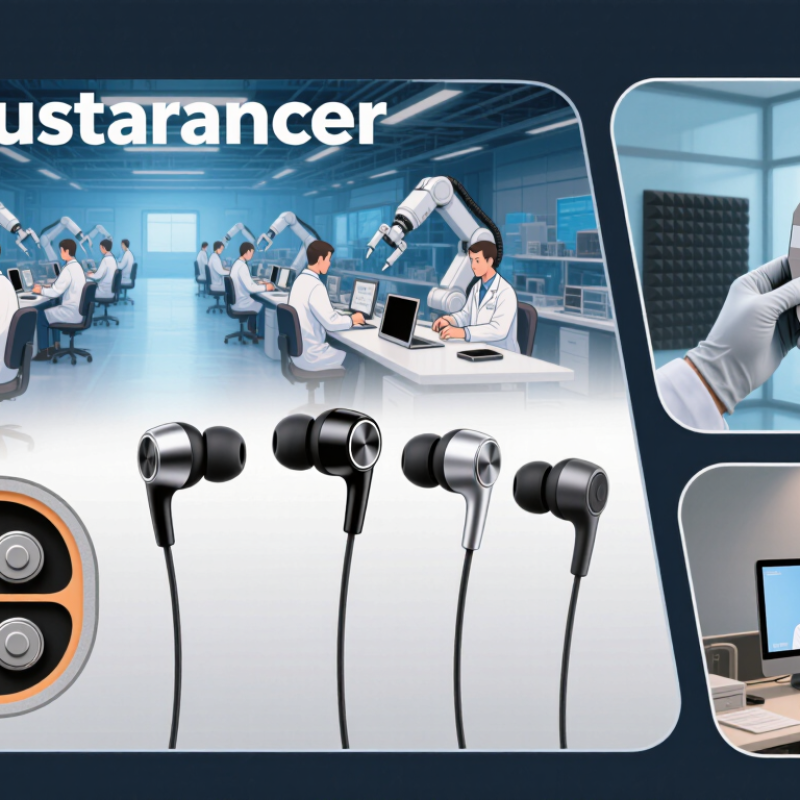
Best ENC Clear Call Earbuds Supplier in China?
What ENC Clear-Call Earbuds Are and How They Work
ENC usually means Environmental Noise Cancellation. In earbuds, it describes call-noise reduction, not noise cancellation for the listener. Tiny microphones pick up your voice and nearby sounds. A digital signal processor analyzes those signals, then reduces steady background noise before your voice reaches the other person. The goal is clearer speech, not a perfectly silent call.
Performance depends on microphone placement, software tuning, and the shape of the earbuds. In a quiet office, the system may soften air-conditioning hum or keyboard noise. A sudden door slam or gust of wind can still come through. The term can sound more absolute than it is. ENC is useful, but it is not magic. For a supplier comparison, ask for call samples recorded in quiet rooms and noisy outdoor settings, using the same phone and distance.
Tips: Check whether speech stays natural after noise reduction. Listen for clipped word endings or a thin, artificial voice. Test both earbuds during a real call, and compare results at a normal speaking volume.
ENC (Environmental Noise Cancellation) uses microphones and digital signal processing to reduce background noise picked up during calls, helping make the caller’s voice clearer. The chart shows typical telephone speech-frequency ranges—not ENC noise-reduction performance. Actual results depend on the earbuds’ microphones, processing, fit, and environment.
When evaluating an ENC clear-call earbud supplier in China, start with the engineering, not the brochure. ENC usually means microphone processing that reduces noise for the person on a call. It differs from playback noise cancellation. Ask how many microphones each earbud uses, where they sit, and which voice samples you can review. Test speech beside a running fan and on a busy street. Keep the recordings. Small details matter.
Request samples from the same production line and compare them with approved reference units. Check voice clarity, wind handling, fit, Bluetooth stability, touch response, and battery performance during repeated calls. Ask for measurable pass-or-fail limits, not just “clear sound.” Review incoming-material checks, acoustic testing records, and how defects are traced by batch. A factory visit or independent inspection can show whether documented procedures match the actual line. Paperwork helps, but it is not proof by itself.
Discuss tooling ownership, firmware changes, minimum order quantities, lead times, and spare-part availability before paying a deposit. Confirm which product and quality documents the supplier can provide for your target markets. Compare response speed during a technical problem, not only during sales discussions. A missed question is revealing. One concern remains: a clean lab sample may sound worse on a moving bus. Agree on realistic test conditions and written acceptance criteria before scaling production.
Choosing an ENC clear-call earbuds supplier in China takes more than reading a product sheet. Ask for a live call test, not only a polished recording. Speak from a quiet room, then repeat beside a fan or open window. Listen for clipped words, background hiss, and changes in your voice. Small details matter. If possible, test several units from the same production batch; one sample cannot prove consistent performance.
Check the specifications against the exact model you plan to order. Confirm microphone count and placement, Bluetooth version, supported codecs, battery capacity, and measured talk time. Request dated test reports with the model number clearly shown. Compare the report’s figures with the supplier’s claims. A neat table is useful, but it is not evidence by itself. I would also ask how call quality is checked during production. The answer may be imperfect, and that can reveal where the process needs clarification.
Review certificates and reports carefully. Match the company name, product model, and issuing organization, then verify the document through the issuer when possible. Requirements vary by destination, so confirm which approvals apply to your market rather than relying on a generic certificate image. Keep written records of sample results, specifications, and agreed tolerances. I have seen small differences between samples and bulk units; requesting a pre-shipment inspection is sensible, though it adds time and cost.
Choosing a China-based supplier starts with matching the sourcing model to your product plan. An OEM supplier builds to your design; an ODM supplier can adapt an existing platform or develop one with you. For a first launch, ODM may reduce development work, but it can limit control over acoustic design and future changes. A custom OEM route offers more control, with higher sampling and engineering demands. One easy mistake is comparing unit prices before comparing what each quote includes.
Counterpoint Research reported that global TWS shipments grew 6% year over year in 2024 in its Global TWS Hearables Market Tracker. That signals continued demand, not guaranteed success for any supplier. Ask for separate quotes covering tooling, engineering, minimum order quantities, sample revisions, and production testing. Then compare like with like.
Tips: Request call samples and test them in a quiet room, beside road noise, and during a moving call. Ask how the supplier measures ENC performance; “clear calls” alone is not a measurable specification. Check whether production units receive the same microphone and battery checks as approved samples. Small batches help. Still, a polished prototype can hide inconsistent mass production, so request inspection records and a pilot run before scaling.
Choosing an ENC clear-call earbuds supplier in China starts with repeatable sample tests. Run calls in a quiet room, beside a fan, and near steady street noise. Record both ends of each call; listen for clipped words, pumping noise reduction, and muffled speech. Check fit, pairing, button response, and battery life across several sessions. Counterpoint Research reported that global TWS shipments grew 6% year over year in Q1 2024. Growth signals demand, not quality. One sample is not enough.
Ask for samples from separate production batches, then compare microphone performance and build details. Request a written test plan, component-change notice process, and clear defect-handling timeline. Track response time and whether answers include measurements, not just promises. Bluetooth SIG’s 2024 Market Update forecasts 7.6 billion annual Bluetooth device shipments by 2028, making stable component sourcing worth checking. Still, forecasts do not prove a supplier’s reliability. A polished sample can hide batch variation.
Tips Test calls with the same phone and noise source each time. Keep recordings and test notes. Ask the supplier to explain any inconsistent result, and see whether the next sample actually improves.
ENC reduces background noise picked up during calls. Tiny microphones capture your voice and nearby sounds. A processor softens steady noise before the other person hears it. It does not silence audio for you. Not magic.
ENC aims to improve the voice sent to a caller. Playback noise cancellation reduces sounds you hear while listening. The terms are easy to confuse, and product sheets may not explain the difference clearly.
It may soften an air conditioner or keyboard in a quiet office. A fan can provide a useful test. Sudden door slams and gusts of wind may still be audible.
Make calls in a quiet room and beside a fan or open window. Keep the phone and speaking distance the same. Listen for clipped word endings, hiss, and an unnatural, thin voice. Try both earbuds at normal volume.
Request live call tests, dated reports, and samples from the intended production line. Ask for microphone count and placement, Bluetooth details, battery capacity, and measured talk time. A polished recording alone proves little.
Match each report to the exact model, company, and issuing organization. Verify documents with the issuer when possible. Requirements depend on the destination market. A generic certificate image is not enough.
Compare several units with an approved reference sample. Check fit, call clarity, wind handling, touch response, connection stability, and battery performance during repeated calls. Keep recordings and agree on written pass-or-fail limits. One sample is a weak promise.
Clarify tooling ownership, firmware changes, order minimums, lead times, spare parts, and inspection arrangements. Set realistic test conditions before scaling. Pre-shipment inspection can catch differences, but it costs time and money. A clean lab result may not reflect a moving bus.
Choosing the right supplier for ENC Clear Call Earbuds in China requires more than comparing prices. Buyers should understand how environmental noise cancellation supports clearer voice transmission and evaluate suppliers based on product design, component quality, manufacturing capacity, customization options, and order requirements. Clear specifications for microphones, battery life, connectivity, fit, and compatible devices help set realistic expectations before production begins.
Before making a commitment, request samples and test call performance in quiet and noisy settings. Check that product specifications are consistent with sample results, and review relevant quality documentation and certifications for the intended market. Compare suppliers’ OEM and ODM capabilities, production timelines, communication, and willingness to address feedback. A reliable partner should provide clear answers, maintain consistent quality across orders, and offer practical support after delivery, helping buyers build a dependable product range over the long term.