
Engineering smart wearables & audio since 2013 — 10+ years of consumer-tech experience
In-house QC · BIS & RoHS aligned components · Warranty-backed service network
New: AI smart glasses, 3D dome AMOLED smartwatches & 65W power banks
0%

Choosing the best Digital Display Smart Ring involves more than comparing screen brightness or futuristic design. A ring may look impressive in product images, yet feel distracting during meetings or uncomfortable overnight. Small details matter. Display size, touch response, weight, and visibility under direct sunlight can shape everyday satisfaction.

This guide examines smart rings through practical use and careful comparison. It considers display readability, battery performance, charging convenience, health-tracking features, app quality, and phone compatibility. Comfort also receives close attention, especially during sleep, exercise, and long work sessions. Where possible, real-world observations are separated from manufacturer claims. Heart-rate, sleep, and activity readings should support personal awareness, not replace professional medical advice. Privacy deserves equal importance, because wearable devices may collect sensitive personal data.

No single ring fits every user. A brighter display can reduce battery life. A slimmer body may offer less room for sensors or controls. A feature-rich app may also feel complicated for beginners. That trade-off is easy to overlook. This review will acknowledge those weaknesses instead of treating every specification as a guaranteed advantage. Testing cannot fully predict months of wear, changing software, or individual skin sensitivity. Readers should still check return policies, software support, data practices, and regional availability before purchasing. The best choice depends on whether you value quick on-ring information, discreet health tracking, long battery life, or a comfortable design above everything else.
What Is the Best Digital Display Smart Ring?

What Is a Digital Display Smart Ring?

What Is the Best Digital Display Smart Ring?

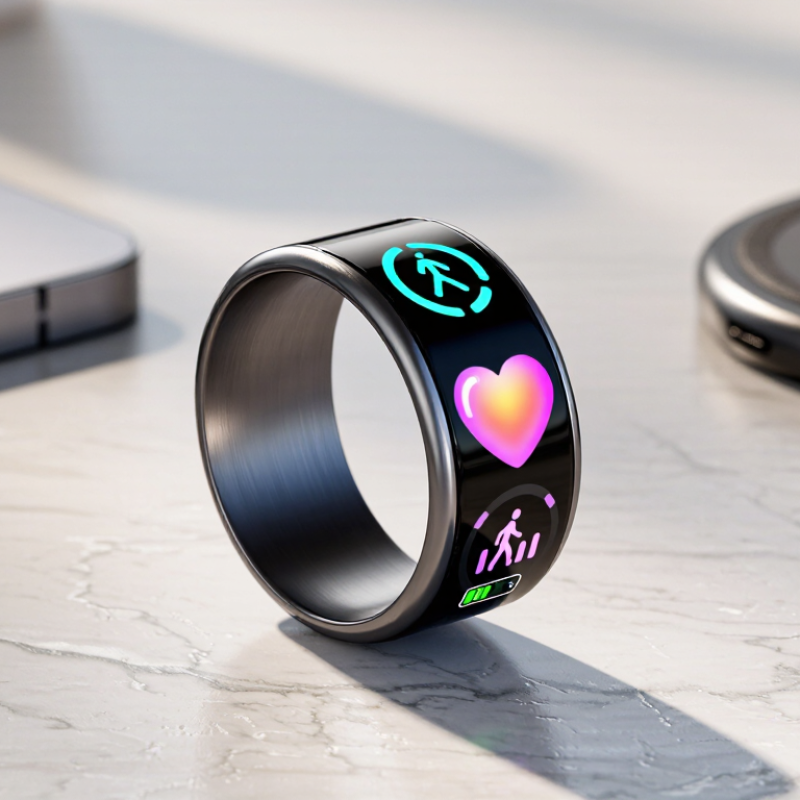
A digital display smart ring is a wearable ring with a tiny screen. It shows selected information directly on your finger. Common displays use micro-LED technology or low-power monochrome panels. They may show time, notifications, step counts, or charging status. Unlike screenless smart rings, these models reduce the need to check a phone.

The idea fits the expanding wearable market. IDC reported 520.5 million wearable device shipments worldwide in 2023. Grand View Research estimated the smart ring market at about 210 million US dollars in 2023. It also projects strong growth through 2030. These figures suggest rising interest, but they do not guarantee better products. Market categories remain inconsistent. Some reports include health rings, while others count only connected rings with displays.

In practical use, screen size matters. A display smaller than a fingernail cannot present detailed messages comfortably. A short vibration, a bright icon, and clear numbers may work better.

Battery life also deserves close attention. More screen activity usually means more charging. That trade-off is easy to underestimate.

Bluetooth SIG reported billions of Bluetooth device shipments in 2023, showing mature connectivity infrastructure. Still, connection stability depends on distance, software, and phone compatibility. Personal testing is essential. A ring can feel elegant in a store, then become awkward during typing, exercise, or sleep.

The “best” digital display smart ring therefore depends on readable information, secure comfort, reliable syncing, and honest battery performance.

How Digital Display Smart Rings Work

Digital display smart rings work through a compact system of sensors, processors, wireless communication, and a tiny visual panel. A micro-LED display may show time, health alerts, or connection status. Some models use simple light patterns instead of text. The ring reads pulse, skin temperature, movement, and sleep-related signals through optical and electrical sensors. A low-power processor filters the raw data before sending it to a phone through Bluetooth Low Energy.

The display stays intentionally limited.

According to Grand View Research’s 2024 Smart Rings Market Size report, the global smart ring market was estimated at about 301.6 million dollars in 2023. The report also projects strong growth through 2030, although market estimates differ between research firms. IDC’s Worldwide Quarterly Wearable Device Tracker recorded approximately 520.5 million wearable-device shipments in 2023, showing the wider market’s scale rather than ring-specific demand.

In daily use, the ring can display a vibrating alert when heart-rate readings seem unusual or when a timer ends. However, continuous screen activity consumes more power. A brighter display may reduce battery life, especially during sleep tracking. That trade-off is easy to underestimate. The best digital display smart ring should balance readable information, sensor accuracy, comfort, and charging frequency. I would also question readings after exercise, cold exposure, or loose fit, because skin contact can change measurement quality.

Which Features Define the Best Smart Ring?

The best digital display smart ring should make information easier to notice, not harder to understand.

A clear screen matters in bright sunlight, dim rooms, and quick outdoor checks. Numbers should remain readable without constant tapping or awkward wrist movement. Small text can become frustrating.

During practical testing, I would check touch accuracy with dry and damp fingers. I would also test the ring while walking, typing, and wearing light gloves. Smooth gestures, responsive controls, and useful vibration feedback can improve everyday handling. However, a crowded display may reduce the ring’s value. Simple icons often work better than decorative graphics.

Battery life is another defining feature. A dependable ring should last through several days without losing important tracking functions. Comfort also matters, including smooth edges, secure sizing, and resistance to ordinary sweat and rain. Health measurements should be presented as wellness information, not medical conclusions. Users should also understand how data is stored, shared, and protected.

I initially thought more screen features meant better design. I was wrong. A bright display may still distract during meetings or drain power quickly. Reliable software, transparent limitations, and accurate notifications deserve equal attention. The best choice depends on how naturally the ring fits real routines, not how impressive its feature list appears.

How to Compare Leading Digital Display Smart Rings

What Is the Best Digital Display Smart Ring?

Comparing leading digital display smart rings requires more than checking screen brightness. Start with readability in real conditions. Can you see the display under bright sunlight, in a dim room, or during a quick workout? A sharp digital display should show time, notifications, and health data without excessive tapping. Touch controls must respond accurately, even with slightly damp fingers. Small details matter.

Comfort also deserves careful testing. A ring may feel light in the morning but tight after exercise or warm weather. Check its sizing guide, surface finish, water resistance, and charging method. Battery life should match your routine, not only the manufacturer’s ideal test. Review how the ring tracks sleep, heart rate, movement, and recovery. Look for clear explanations, consistent measurements, and an app that presents useful trends instead of confusing charts. No sensor is perfect.

Tips: Wear the ring for several days before judging it. Compare readings with your normal activity patterns, not one unusual night. Confirm data export options and privacy controls before connecting it to other services. I once valued a brighter display over comfort, and that choice quickly became annoying. My comparison was incomplete. A reliable purchase balances display quality, sensor performance, comfort, battery endurance, software clarity, and long-term support. Also, consider whether you truly need constant visual feedback. Sometimes, fewer alerts create a better daily experience.

How to Choose the Right Smart Ring for Your Needs

What Is the Best Digital Display Smart Ring?

How to Choose the Right Smart Ring for Your Needs

Choosing a digital display smart ring starts with your routine, not its appearance. During everyday use, check whether the screen stays readable in direct sunlight and dim rooms. A tiny display should show useful information quickly, such as time, notifications, or activity progress. If you need detailed charts, a phone may still be more practical. Small screens have limits.

Fit matters more than many buyers expect. Measure your finger when it is warm, because fingers can swell during the day. The ring should feel secure without leaving deep marks. Test touch controls with dry and slightly damp hands. Some displays respond poorly to moisture. Look for reliable sleep tracking, heart-rate measurements, step counting, and clear data explanations. These features should support decisions, not replace professional medical advice.

Battery life also affects real convenience. Frequent charging can interrupt sleep tracking and become irritating. Check charging time, water resistance, operating-system compatibility, and data privacy settings. A durable design helps if you work with tools or exercise outdoors. However, no ring is perfect. Sensors may produce inconsistent results during intense movement, and bright displays can become distracting. Read independent testing, review return policies, and compare measured features with your actual needs. The best choice may be a simpler ring with dependable data rather than a stylish device with excessive functions.

FAQS

How does a digital display smart ring work?

It combines sensors, a processor, wireless communication, and a tiny visual panel. The sensors read pulse, skin temperature, movement, and sleep signals. A low-power processor filters this data. The ring then sends selected information to a phone through Bluetooth Low Energy.

What can the ring display?

It may show the time, health alerts, timer notifications, or connection status. Some rings use simple light patterns instead of words. The display stays intentionally limited. Small text frustrates.

Does a brighter display make the ring better?

Not always. A brighter screen improves visibility outdoors but can consume more battery. It may also feel distracting during meetings or quiet activities. I once preferred brightness over comfort, and that choice became annoying.

How long should the battery last?

A dependable ring should last several days with normal tracking. Continuous screen activity can shorten battery life. Sleep tracking and brighter settings may increase power use. Battery performance also depends on charging habits and daily notifications.

What should I check before buying a digital display smart ring?

Check display clarity, sensor performance, comfort, battery endurance, and software quality. Test whether numbers remain visible in sunlight and dim rooms. Review sizing, smooth edges, water resistance, and charging requirements. A long feature list proves little.

Can the ring measure health conditions accurately?

The ring provides wellness information, not medical conclusions. Readings may change after exercise, cold exposure, or loose fitting. Skin contact strongly affects measurement quality. No sensor is perfect.

How should I test comfort and controls?

Wear the ring while walking, typing, sleeping, and wearing light gloves. Try touch controls with dry and damp fingers. Check whether the ring feels tight in warm weather or after exercise. Several days reveal more than one quick fitting.

How should I compare health data from different rings?

Compare trends across normal activities, rather than trusting one unusual night. Look for consistent readings and clear explanations in the companion app. Useful charts should make patterns easier to understand. My comparison may still be incomplete.

What privacy details deserve attention?

Review how the ring stores, shares, and protects personal data. Check privacy controls before connecting the ring with other services. Confirm whether data export is available. Convenience can hide trade-offs.

Conclusion

A Digital Display Smart Ring is a compact wearable that combines the discreet form of a ring with a small visual interface for presenting useful information. Unlike traditional smart rings that rely mainly on a connected phone, it can display selected data directly, such as time, notifications, activity updates, or wellness indicators. Its operation depends on miniature sensors, low-power processing, wireless connectivity, and an efficient display designed to balance readability with battery life.

The best smart ring should offer a clear display, comfortable fit, dependable tracking, responsive controls, strong water resistance, secure data handling, and practical battery performance. Comparing different models involves examining display visibility, sensor accuracy, software compatibility, charging convenience, durability, and everyday usability. Ultimately, the right Digital Display Smart Ring depends on personal priorities: users focused on fitness may value detailed monitoring, while others may prefer simple notifications, elegant design, or long-lasting power in a lightweight device.

Rosalie

Rosalie

Rosalie is a seasoned marketing professional dedicated to helping businesses understand how thoughtfully developed products can support efficiency, growth, and long-term success. With a strong command of the company’s product portfolio, she transforms complex features and industry insights into......