
Choosing the best Active Noise Cancelling Earbuds in 2026 depends on more than how quiet they sound in a shop. A train’s low rumble, office chatter, and wind on a morning walk each test noise cancellation differently. Fit matters just as much. A loose ear tip can weaken bass and let outside sound leak in, even when the earbuds have strong specifications.
This guide compares the details that shape everyday use: cancellation strength, call clarity, comfort, battery life, controls, and price. It also considers transparency modes, because crossing a busy street or hearing a station announcement can matter more than blocking every sound. No single pair will suit every ear or routine. That is worth admitting.
Product claims do not always predict real-world performance. Battery life can change with volume, settings, and call use, while comfort is personal and difficult to measure from a chart. So treat ratings as useful evidence, not a promise. The aim is to explain what each feature does, where compromises appear, and which listeners may benefit most. If possible, try different ear tips before deciding; a small fit change can make a noticeable difference. The “best” choice should feel dependable after a long commute, not merely impressive for five minutes.
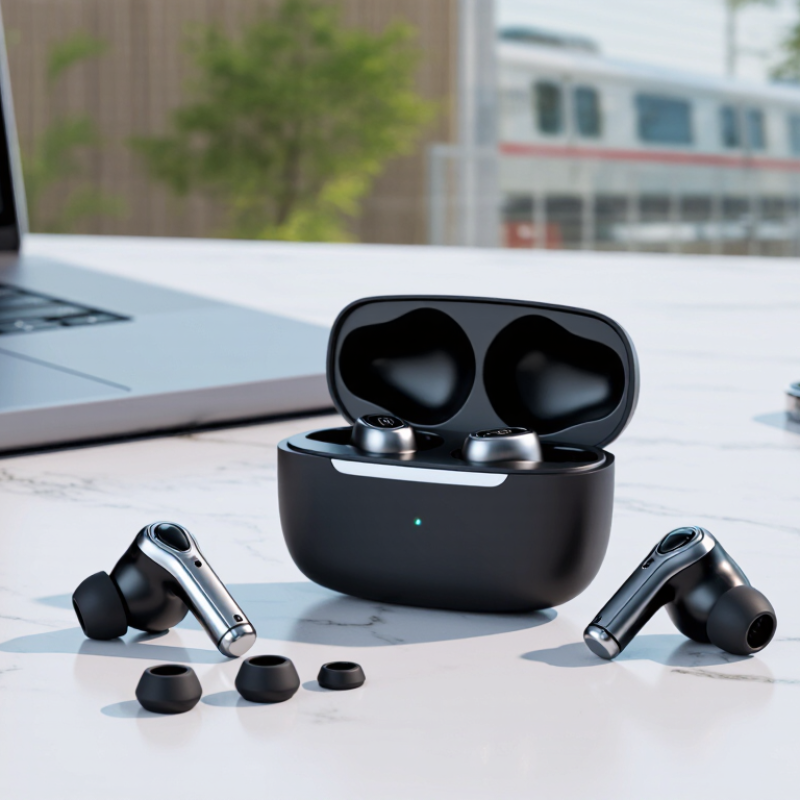
Active noise cancelling earbuds use microphones to monitor sound around and inside each ear. Their processors create a matching sound wave with an opposing phase. When the waves meet, they reduce some of the incoming noise. This works best on steady, low-pitched sounds, such as an aircraft cabin hum or air conditioner. Sudden speech and sharp clatter are harder to cancel.
Many designs combine outward-facing microphones with internal ones. The outer microphones detect approaching noise; inner microphones check what reaches the ear. This feedback helps the earbuds adjust, though performance varies with fit, ear shape, and microphone placement. The seal matters. A loose tip can let voices and high frequencies leak through, even when cancellation is active.
ANC reduces distraction, but it does not make loud listening harmless. The WHO and ITU’s 2019 safe-listening standard gives adults a reference allowance of 80 dB for up to 40 hours per week. That is a listening-exposure guideline, not an ANC rating. In practice, a quieter commute may make lower volume comfortable. Still, users often turn audio up without noticing. Not magic. Check the fit, compare noise reduction in a real setting, and keep volume modest.
How active noise cancelling works: microphones detect incoming sound, and the earbuds produce an opposite-phase signal to reduce it.
This normalized waveform is a conceptual illustration, not a measurement of any earbud. Perfect cancellation is shown for clarity; real-world results vary, and ANC is generally more effective against steady, low-frequency noise than sudden or high-frequency sounds.
The best ANC earbuds should reduce steady, low-frequency sounds without making music feel thin. Think of a bus engine or the rumble of an air conditioner. Performance varies with ear shape, so a strong review should test several ear tips and include real listening, not just lab measurements. Fit matters. A loose seal can weaken noise reduction and bass at the same time. Check whether the earbuds offer adjustable ANC and a natural-sounding transparency mode for conversations and street crossings.
Also compare battery life with ANC switched on, call clarity in wind, and how easily controls work with gloves or wet hands. App settings can help, but they should not be required for basic use. Look for clear information about test conditions; battery figures and noise claims can be difficult to compare otherwise. No single measurement tells the whole story. Personal fit makes rankings imperfect, and even careful testing can miss a small pressure sensation that becomes annoying on a long flight. Choose the pair that suits your ears and routine, not simply the boldest specification.
The best active noise cancelling earbuds in 2026 should be judged by how they handle different sounds, not by a single noise-reduction claim. A steady train rumble is easier to soften than nearby conversation or sharp keyboard clicks. Compare earbuds in the same setting, with similar volume and a secure fit. Small gaps around the tips can weaken bass and let noise back in. Fit matters.
Sound quality deserves equal attention. Listen for clear vocals, controlled bass, and instruments that remain distinct at moderate volume. Strong bass can make music feel full, but it may blur voices on some tracks. Try several genres, not just a short demo. That is useful. Also check whether noise cancellation creates pressure or changes the sound noticeably. Comfort varies between ears, so specifications cannot settle everything.
A practical comparison should include a commute, a quiet room, and a brief call. Notice how well each pair reduces low-frequency noise, and whether voices remain natural in transparency mode. Battery life with cancellation enabled is more relevant than a headline figure from mixed use. Results still depend on ear shape, tip size, and settings; even careful tests have limits. I would treat small differences cautiously, because one person’s fit may not match another’s.
Battery life claims matter less than how long earbuds last with noise cancelling enabled. Check the stated ANC-on figure, then leave room for real-world variation: volume, calls, and cold weather can shorten a charge. A case that provides several top-ups is useful on travel days, but it adds pocket bulk. Fast charging can rescue a commute, though it cannot replace a dependable charging routine. I would also check whether the case shows its remaining charge clearly; tiny indicator lights are easy to misread.
Fit changes everything. A secure seal improves noise reduction and bass, while a tight tip can become uncomfortable before a long flight ends. Try different tip sizes and wear the earbuds for at least half an hour, not just a quick shop-floor test. Small details matter. Physical buttons may be easier with gloves, while touch controls can misfire under a hood or with damp fingers. For connectivity, look for stable switching between a phone and laptop, plus a quick way to pause audio. Multipoint support is convenient, but device switching can still feel inconsistent. Transparency mode helps with brief conversations, though it may sound processed; test it in a quiet room and beside ordinary street noise. Check call quality and water resistance for your routine, rather than assuming either feature will suit every situation.
The best active noise cancelling earbuds in 2026 depend on where and how you listen. A train commuter may value strong low-frequency noise reduction, while someone working in a shared office may prefer adjustable cancellation. ANC can soften engine rumble, but it will not erase every voice or sudden sound. Fit matters just as much: a loose seal can weaken noise reduction and make bass sound thin. Try different ear tips, then listen for pressure or discomfort after a few minutes. Fit is personal.
Tips: Test earbuds with your usual audio. Check that tapping controls works without pulling one out. Keep transparency mode handy for conversations and street crossings.
For calls, look for clear microphone performance in breezy or busy places; quiet-room demos can be misleading. If you exercise, check stability and water resistance, rather than assuming every snug-looking pair will stay put. Battery life also changes with ANC settings, so compare realistic use estimates, not just the longest advertised figure. Honestly, choosing involves trade-offs. Stronger cancellation may feel tiring, and smaller earbuds can be easier to carry but harder to control. Spend a little time switching modes in the places you actually listen.
A use-case guide to choosing ANC earbuds. Noise cancellation varies with fit, ear shape, and sound frequency; battery life and features also vary by model and settings. Check the manufacturer’s specifications and independent tests before buying.
| Listening need | What to prioritize | ANC and fit guidance | Useful features | Trade-offs and checks |
|---|---|---|---|---|
| Airplane and long-distance travel | Strong, adjustable ANC; secure fit; comfortable wear; a charging case that covers the full trip. | ANC is generally most useful against steady, low-frequency sounds such as aircraft cabin rumble. A good ear-tip seal also provides passive isolation. | Multiple ear-tip sizes, adjustable ANC, transparency mode, and the option to use ANC without music. | ANC does not remove every sound, especially sudden voices or announcements. Compare stated listening time with ANC enabled, not only the maximum figure. |
| Office and focused work | Comfort over several hours, effective reduction of steady background noise, and convenient control of outside sound. | A stable fit helps maintain isolation. ANC may reduce HVAC or fan noise, but nearby speech can remain audible. | Transparency mode, multipoint connection for switching between devices, and a configurable control scheme. | Check comfort and call-microphone quality separately: good music performance does not guarantee clear voice calls. |
| Commuting and city use | A secure fit, quick access to ambient sound, reliable controls, and practical water resistance. | Use ANC in noisy settings and transparency mode when awareness is important. Neither mode replaces attention to traffic and surroundings. | Fast switching between ANC and transparency, a compact case, and a clearly stated IP rating. | Water-resistance ratings have specific limits; they do not automatically mean the earbuds are suitable for swimming. Check the rating and care instructions. |
| Calls and remote meetings | Consistent microphone voice pickup, wind handling, stable connectivity, and a comfortable fit. | ANC mainly affects what the wearer hears; it is not the same as microphone noise reduction for people on the call. | Microphone samples from independent reviews, multipoint support, and easy access to mute or call controls. | Review call tests in quiet rooms and noisy outdoor settings. Microphone performance can vary with wind, fit, and the connected device. |
| Exercise and active use | A secure, comfortable fit; sweat or water resistance suitable for the activity; simple controls. | A reliable seal can improve passive isolation and bass consistency. Consider transparency mode outdoors where awareness matters. | Several fit options, a published IP rating, and controls that are easy to use during movement. | ANC is not a substitute for situational awareness. Confirm the rating covers the intended exposure and follow the care guidance after workouts. |
| All-day listening and comfort | Low-pressure fit, multiple ear-tip sizes, predictable battery life, and controls that are easy to adjust. | A comfortable seal matters as much as maximum ANC strength. If possible, test the fit and try the earbuds with ANC on and off. | Replaceable or multiple-size tips, battery-status indicators, and optional listening modes. | Published battery figures are usually measured under stated test conditions; volume, ANC, calls, and other features can change actual runtime. |
| Value-focused listening | A comfortable fit, dependable basic ANC, usable transparency mode, and clear warranty and return terms. | Prioritize a good seal and independently tested performance over feature counts or vague claims about noise reduction. | USB charging, straightforward controls, and a companion app only if its adjustments are useful to you. | Check independent sound, ANC, call, and battery tests. Confirm software support, replacement-tip availability, and return eligibility. |
Microphones monitor nearby and in-ear sounds. The processor creates an opposing sound wave that reduces some noise.
Steady, low-pitched sounds work best, such as an aircraft hum or air conditioner. Sudden speech is harder.
No. Sharp clatter and nearby voices can still come through. Not magic.
A good seal limits sound leaks and can improve bass. A loose tip may let voices and high frequencies in.
Try several tip sizes and wear them for at least half an hour. A quick test may miss discomfort.
Look for the listed runtime with noise cancelling enabled. Calls, volume, and cold weather can shorten it.
It can help with brief conversations, but may sound processed. Test it in a quiet room and near ordinary street noise.
No. It may make a quieter volume comfortable, but it does not make loud listening harmless. Check your volume; it is easy to turn it up unnoticed.
Check phone-and-laptop switching, call quality, water resistance, and pause controls. Touch controls can misfire with damp fingers; I would not assume they suit everyone.
Active Noise Cancelling Earbuds use microphones and signal processing to reduce surrounding sounds, helping listeners focus on music, calls, or quiet moments. This article explains how the technology works and outlines the key factors to consider when choosing a pair in 2026, including noise reduction across different environments, sound quality, and how naturally the earbuds handle voices and other everyday sounds.
It also compares leading options in broad terms and explores practical details such as battery life, comfort, connectivity, call performance, and useful listening modes. Because no single pair suits everyone, the guide considers different priorities, from frequent travel and commuting to work, exercise, and everyday listening. By weighing performance alongside fit and convenience, readers can identify the features that matter most and make a more informed choice.